

At a memorial ceremony in central Kenya in early February, a photograph of Charles Waithaka Wangari, a 31-year-old Kenyan who died in the russian war in Ukraine in December, was prominently displayed. Roses were neatly arranged beside the photo, and candles burned in his memory, religionnews.com reported.
Waithaka, an aspiring soccer player, had traveled to russia in October to work as a heavy machinery operator at a factory. However, he was conscripted into the russian army and deployed to the front lines shortly after his arrival. Tragically, he was killed by an explosion at the front line, just two months after arriving in russia. His family learned of his death on Christmas Day and was informed that his remains could not be retrieved due to intense fighting.
“I plead with the government to bring back my son’s body, so that I can properly bury him. I know if I bury him, I will heal and find inner peace,” Bibiana Wangari, his mother, told Religion News Service last week. “At the moment, I feel a lot of pain and cannot heal until I see his remains.”
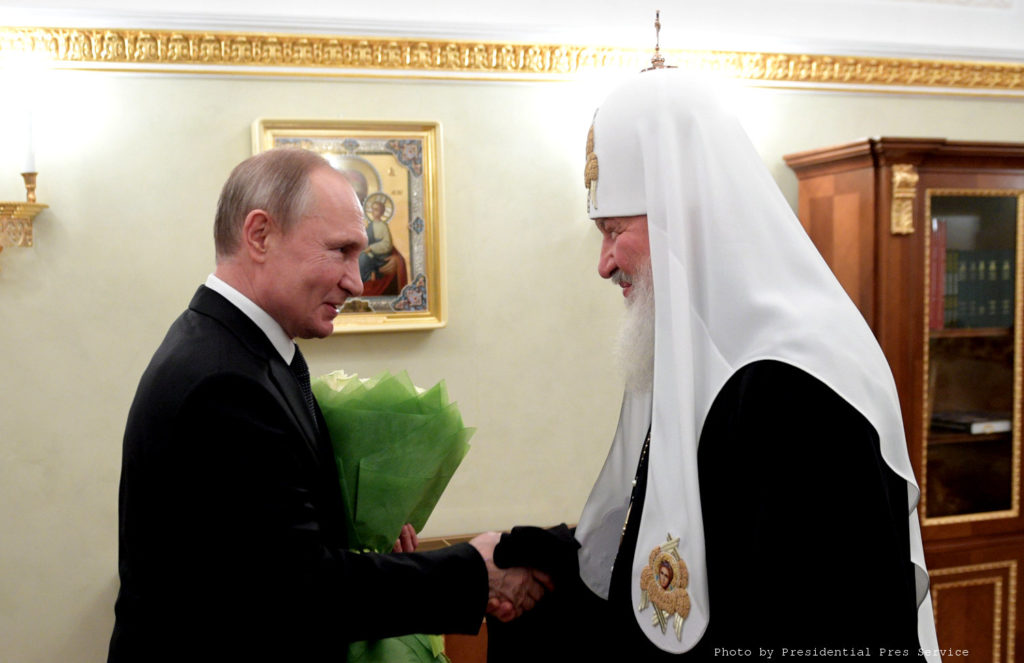
According to local news reports, Waithaka’s travel to russia was facilitated by contacts within russian Orthodox Church circles. Human rights organizations are now raising questions about the church’s role in recruiting other young Kenyans to go to Ukraine.
The russian church’s presence in Kenya and Africa was minimal until 2021, when it established the Patriarchal Exarchate of Africa. This move challenged the traditional canonical jurisdiction of the Greek Orthodox Patriarchate of Alexandria over the entire continent. Since then, over 200 russian Orthodox parishes have been created in 25 countries.
The russian church’s expansion into Africa has deepened a rift with the Greek Orthodox Church, which began with a disagreement over Ukraine’s national Orthodox church. In 2018, Ecumenical Patriarch Bartholomew, considered the spiritual leader of Eastern Orthodox Christians worldwide, recognized the independence of the Ukrainian Orthodox Church. This church had broken from the russian Orthodox Church’s traditional oversight of Ukraine’s Orthodox Christians.