





Georges Nivat, one of the greatest Slavists of the 20th century, a man linked to russian literature not only by fate and work but also by love (Nivat was engaged to Olga Ivinskaya, the daughter of Boris Pasternak’s muse, and this marriage was personally broken up by Khrushchev), a hero of Bulat Okudzhava’s poems, an interlocutor and translator of Alexander Solzhenitsyn, wrote an article about Pushkin, writes Ukrainian journalist Vitaly Portnikov for zbruc.eu.

It would seem, what is surprising about a specialist in russian literature writing about Pushkin? But this is a different article, a very bitter one. Nivat noticed in the work of the great poet, in russian culture itself, what connoisseurs of this culture in the West stubbornly refused to notice: imperiality, cruelty, solidarity with power when it kills others. It is astonishing that the famous scholar now analyzes Pushkin’s work through the work of Artur Dron – and the imperialist pathos of Pushkin’s work becomes incredibly relevant.
It would seem there can be no discoveries here. Pushkin’s work was accessible even without Artur’s books, and Adam Mickiewicz, who was Pushkin’s contemporary, made the same accusations against his russian colleagues that Dron could make against russian classics. Why, then, is the shift in understanding Pushkin happening only now?Because the point is actually not Pushkin, but russia. Pushkin lived at a time when he was far from the only singer of imperialism in the world – one need only reread Kipling to understand this. It is simply that over the past few centuries the world, at least in the West, has drawn conclusions and renounced imperialism and aggression – but russia has not. That is why Kipling appears to be a historical poet, and it is interesting to read him in order to understand how the world was viewed in the not-so-distant past. But Pushkin remains a relevant poet, because his lines about the “dispute of the Slavs among themselves” can now be quoted in russian news broadcasts or in putin’s speeches. russians have forgotten nothing and learned nothing – and that is why Pushkin remains “our everything” for them, because he simultaneously wrote about love, dreamed of unattainable freedom (for his kind), and glorified empire in all its forms and manifestations. And yes, Pushkin is russia itself, russia, which is incapable of changing.
By the way, the relevance of Shevchenko and other Ukrainian classics is also not so much about us as about them. In the years since Shevchenko’s death, Ukraine has changed beyond recognition, and when we read the Kobzar‘s lines about his contemporaries who “go mute to serfdom and lead their little children along” – we know for certain that this is not about us, but about the experience of the past. And our Katerynas no longer make love with Muscovites, and if they do, they are not accepted by their own. All of this is history precisely because Ukrainians listened to Shevchenko.
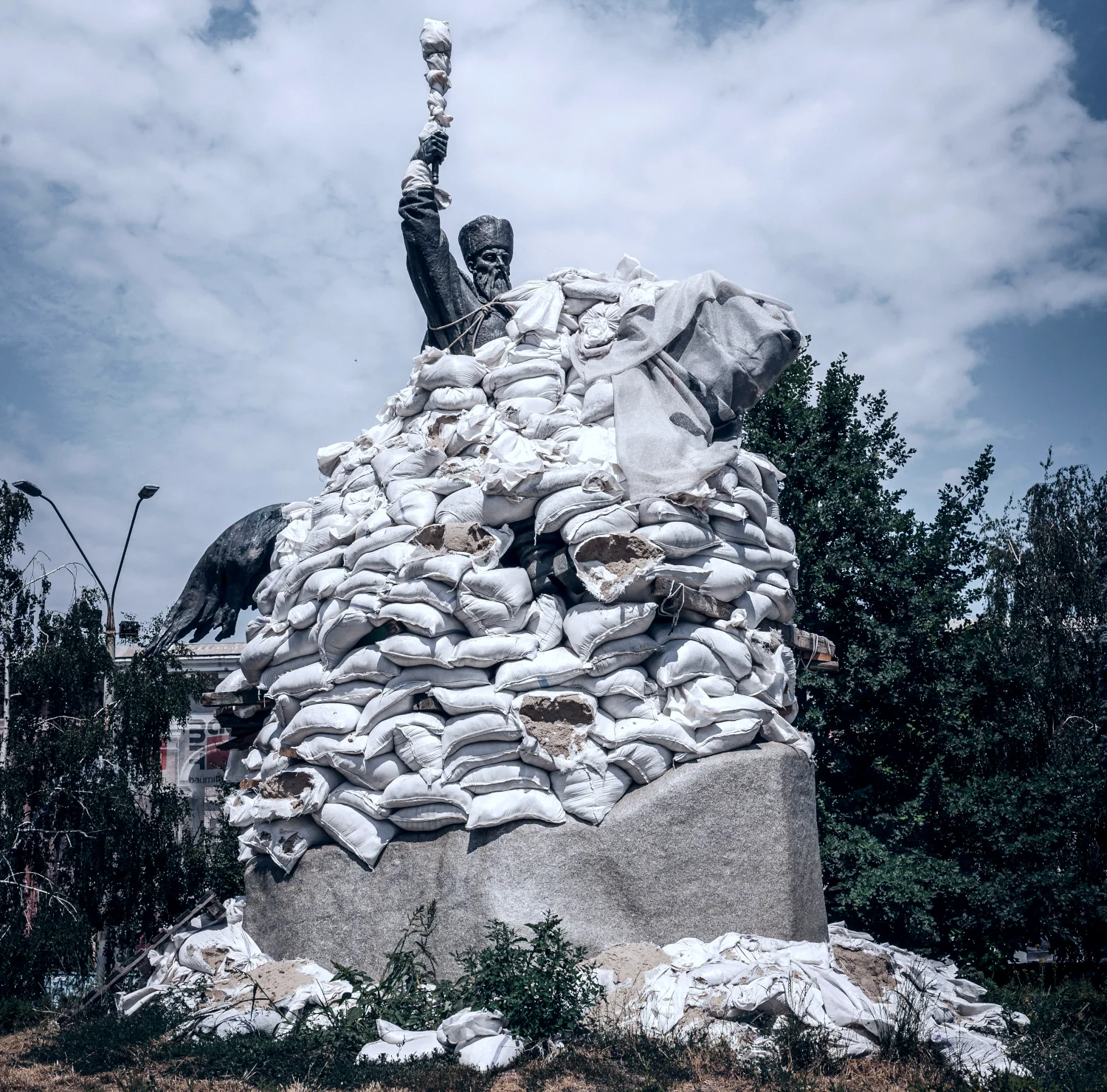
But russians did not. That is why Shevchenko remains a living prophet, so that his words about the empire where from the Moldovan to the Finn (well, all right, from the Karelian to the Tuvan) everyone is silent in all their tongues – can also be broadcast on russian news and quoted in putin’s speeches as his greatest achievement. (Pushkin had his own recommendations for all those Finns and Kalmyks – he wished to see them Russified by his monument, and in this too he coincided and coincides with the russian people.) Shevchenko’s “Caucasus” is a vivid and harsh picture not of the past but of the modern russian Empire; his poems continue to describe the Ukrainian struggle against it. If russia had changed – all of this would be history. But it has not changed. And it is unlikely to change. Future generations of russians will, just as now, dance in circles around Pushkin’s pedestal, because the poet will remain their contemporary.
By the way, this was not always the case. For the empire, Pushkin was too unrestrained – and only a few decades after the poet’s death did it understand how it could make use of his legacy. The Bolsheviks also renounced him. Love seemed to them too bourgeois, freedom was supposedly won by the “working people,” and the imperial myth did not correspond to the idea of world revolution and the self-determination of peoples.
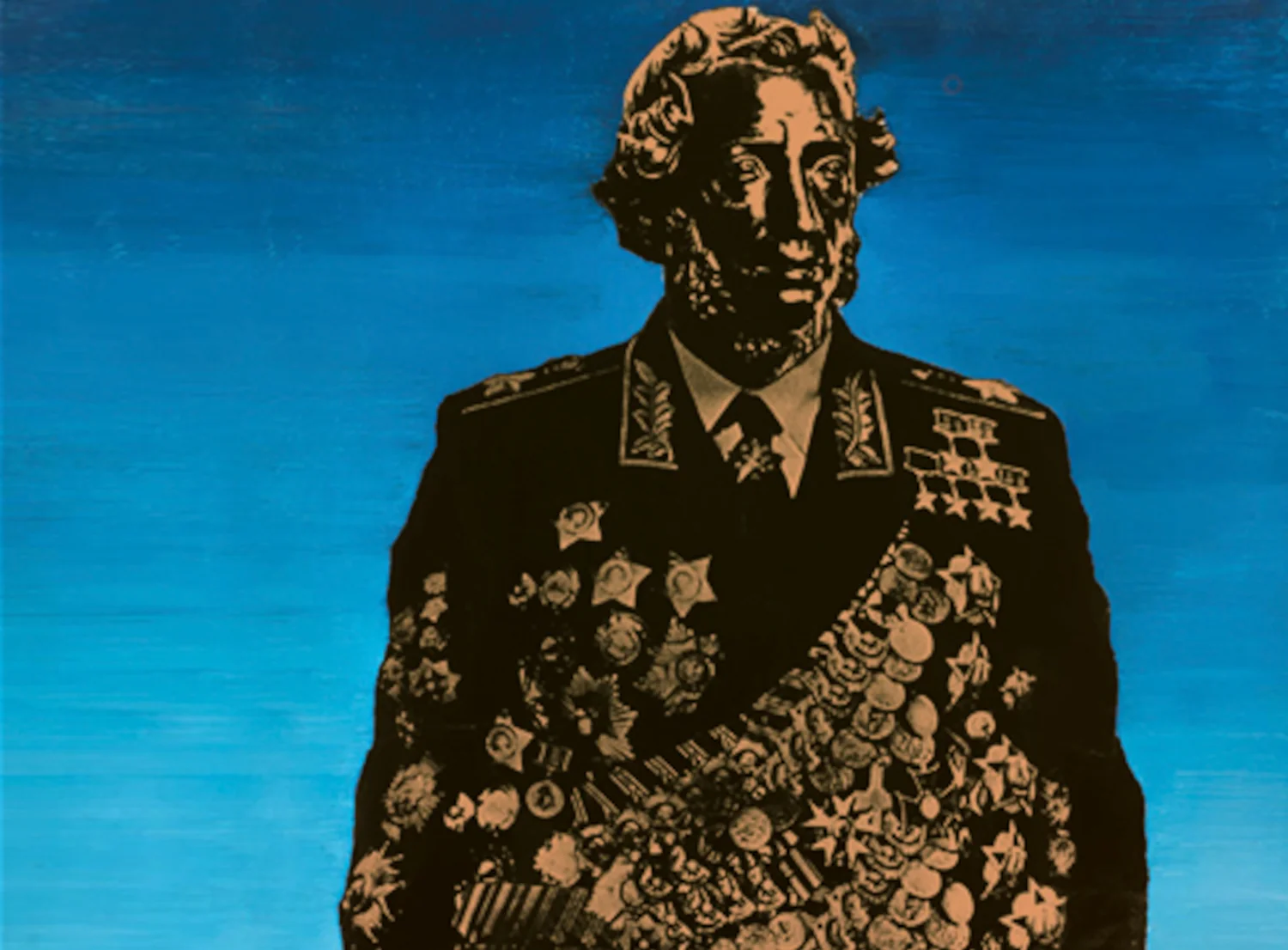
Stalin returned Pushkin to the pedestal in 1937. He returned him precisely because he had finally moved from the idea of world revolution to the idea of imperial restoration under the red banner – and he liked the proposal to solemnly commemorate (what blasphemy, after all) the centenary of the poet’s death. “Pushkin is entirely ours, Soviet, because Soviet power has inherited everything that is best in our people,” wrote Pravda. And this was true, because Stalin needed precisely such a people – ready to die for the empire but only to dream of freedom. And it was then that the city of Pushkin appeared, along with new streets, parks of culture, and sanatoriums. Stalin was the main hero of the solemn meeting dedicated to Pushkin’s memory; lines from the poet’s verses greeted concentration camp prisoners, carefully hung above the entrance to the GULAG… So Pushkin never again climbed down from his pedestal.
And, as you can see, there is no great guilt of his in this. We were unlucky with our neighbors; he was unlucky with his people. If this people were capable of something more than expansion and destruction, if it had believed its poet that the ‘star of captivating happiness’ is freedom, not submission, Georges Nivat would have continued to analyze Pushkin’s love lyrics, and we would have passed by his monuments without emotion.It was not Pushkin who made Pushkin relevant. It was putin who made Pushkin relevant.