





|
Getting your Trinity Audio player ready... |


For centuries, the United States has been a land of opportunity for millions of immigrants from around the world, including many from Ukraine. Some fled war, pogroms, political repression, and poverty; others sought freedom and the chance to fulfill their ambitions. Scientists, artists, workers, and farmers—people from different generations and social backgrounds—crossed the Atlantic in search of a new life. They came from Galicia and Lemkivshchyna, from Kyiv, Kharkiv, Odesa, and countless other corners of Ukraine, writes Svitlana Shevtsova for ukrinform.net.
In America, they founded companies, developed groundbreaking technologies, and left their mark on science, culture, aviation, space exploration, and even the very image of twentieth-century America. Some became household names and earned a permanent place in the nation’s history. Their lives followed different paths, and they viewed their identities in different ways, but they all shared one thing: roots connected to Ukraine.
The stories of these immigrants are woven into the story of America itself. Let us recall just a few of the remarkable individuals who helped shape the nation.
Science and Technology
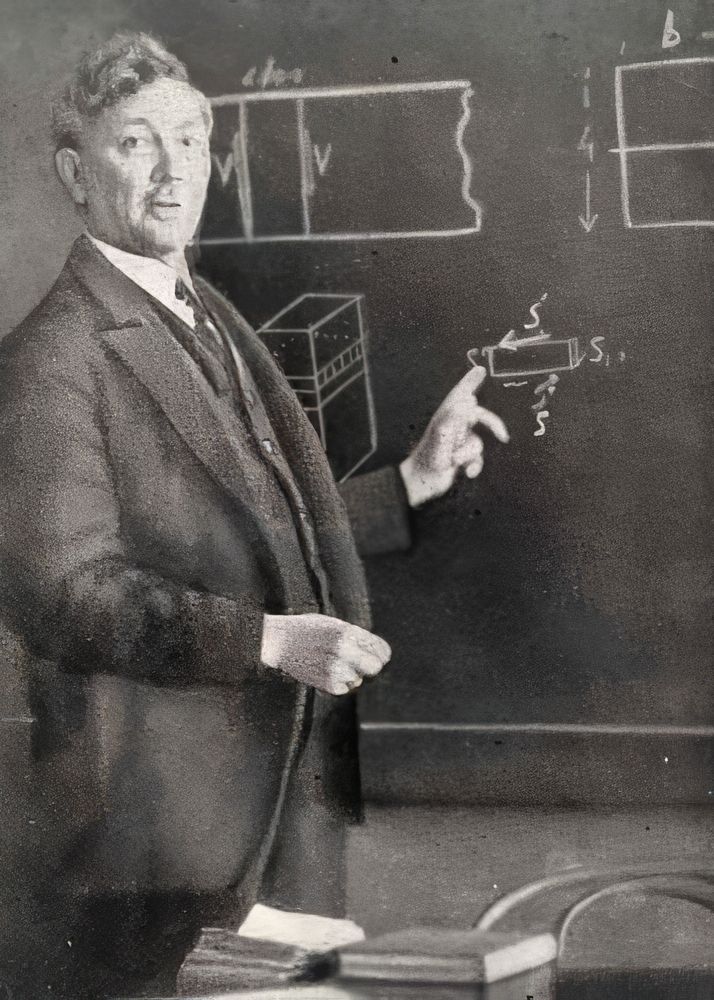
Stepan (Stephen) Timoshenko (1878–1972) was one of the most influential engineers of the twentieth century and is widely regarded as the father of modern applied mechanics and strength-of-materials engineering. Born in the Chernihiv region to the family of a former serf, he studied in St. Petersburg and taught at leading technical institutions across the russian Empire and Germany before emigrating to the United States in the aftermath of the revolutionary upheavals of the early twentieth century.
In the 1920s, Timoshenko worked as a research engineer in Philadelphia and at the Westinghouse Electric Company before returning to academia. He left an indelible mark on American engineering education, training generations of engineers at the University of Michigan and Stanford University. His textbooks on mechanics and elasticity theory, translated into 36 languages, became foundational works and remained standard references at universities around the world for decades.
Timoshenko sought to bridge the gap between mathematical theory and practical engineering challenges—a philosophy that made his work transformative for both American science and industry.
It is also worth noting the accomplishments of Timoshenko’s brothers. Serhii Timoshenko, an architect, served as Minister of Transportation of the Ukrainian People’s Republic and took part in the Second Winter Campaign of 1921, while Volodymyr Timoshenko pursued a distinguished career in economics. Both eventually emigrated to the United States. Volodymyr taught economics at the University of Michigan and Stanford University, while Serhii worked in architecture and construction. Serhii’s son, Oleksandr Timoshenko, followed in his father’s footsteps, contributing to such major projects as the Washington Metro and skyscrapers in New York City.
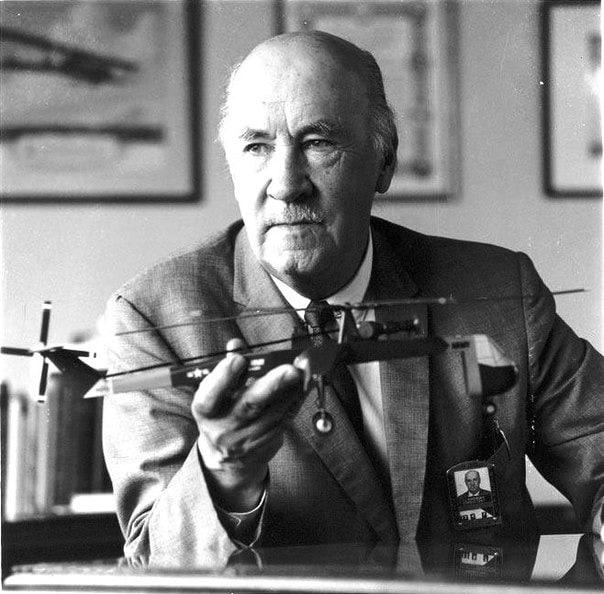
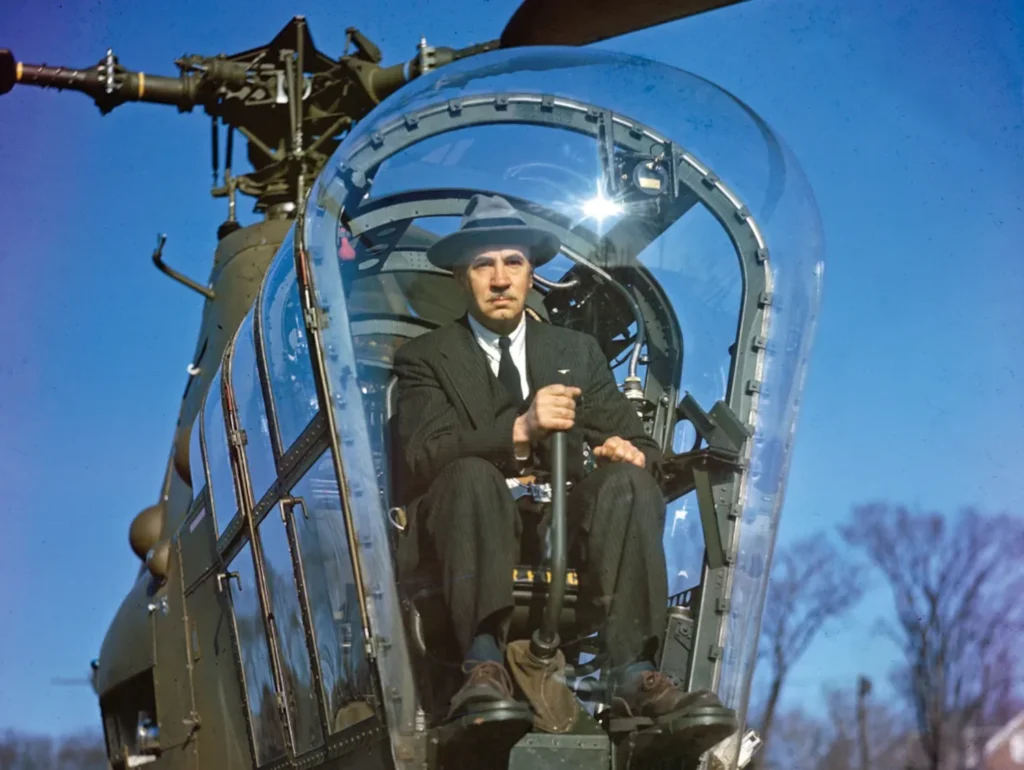
Igor Sikorsky (1889–1972) was one of the pioneers of modern aviation and the founder of the American helicopter industry. Born in Kyiv, he studied at the Kyiv Polytechnic Institute and, at the age of just 24, designed the legendary four-engine aircraft Ilya Muromets, one of the most advanced airplanes of its era. Following the Bolshevik Revolution, he emigrated to the United States, where he founded Sikorsky Aircraft in 1923.
It was Sikorsky who transformed the helicopter from an experimental curiosity into a practical means of transportation, revolutionizing military, rescue, and civilian aviation. His first major project in North America was the large twin-engine S-29 aircraft. Soon afterward, however, he turned his attention to lighter aviation, focusing primarily on amphibious aircraft and, from the late 1930s onward, on helicopter development.
In the United States, Sikorsky created 17 basic aircraft designs and 18 helicopter models. From the presidency of Dwight D. Eisenhower to the present day, U.S. presidents have flown in helicopters built by Sikorsky’s company.
Sikorsky’s legacy stands as a powerful example of how talent from Ukraine helped shape America’s technological and industrial strength.
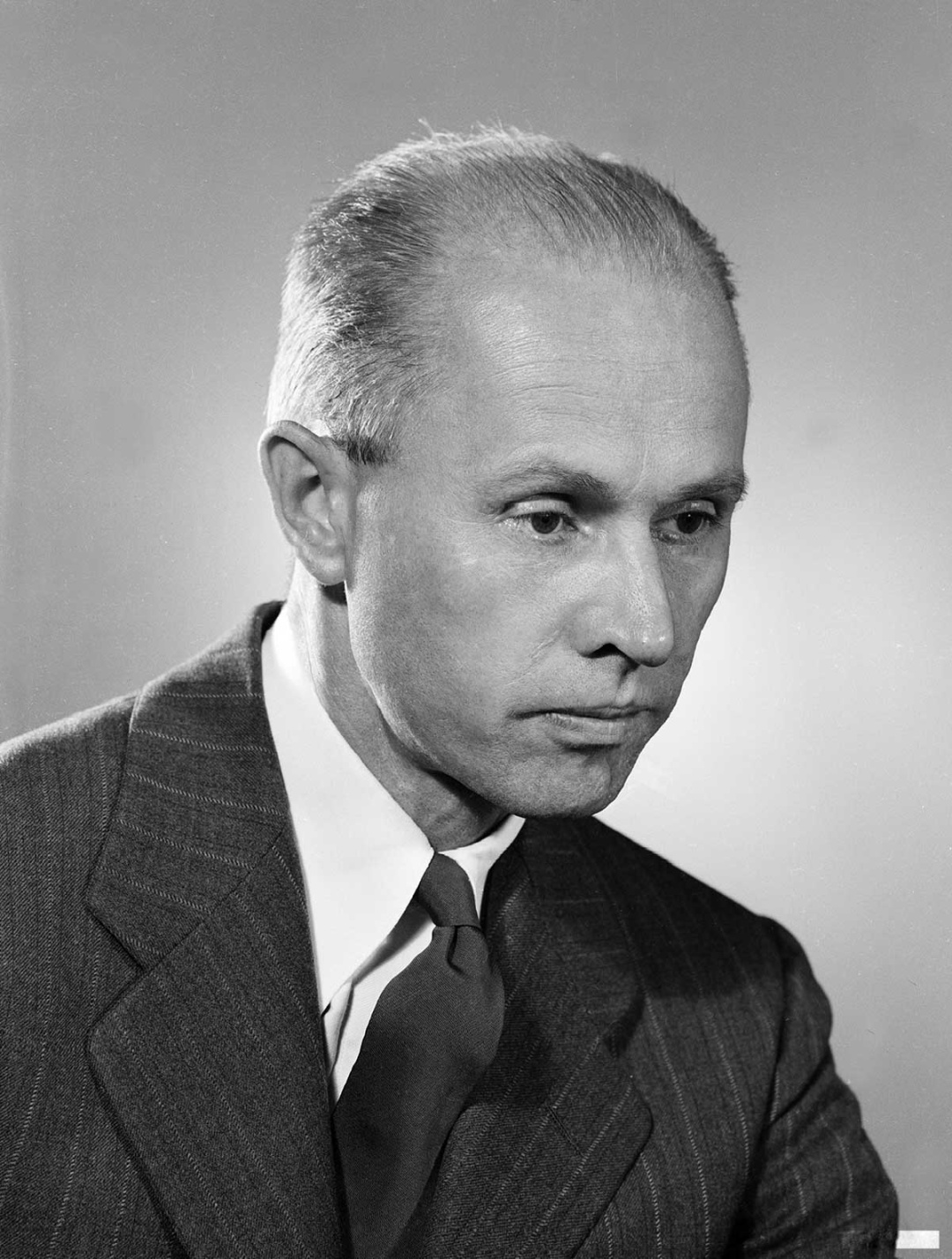
George (Georgy) Kistiakowsky (1900–1982) was an American scientist of Ukrainian origin, a key contributor to the U.S. atomic bomb program, and an influential adviser on science and national security. He was born in Boyarka into a distinguished Ukrainian intellectual family. His father, Bohdan Kistiakowsky, was a member of the Ukrainian Academy of Sciences. Following his arrest by the Bolsheviks, Kistiakowsky eventually emigrated to the United States, where he joined Harvard University in 1930.
During the Manhattan Project, Kistiakowsky headed the explosives division at Los Alamos Laboratory and made a crucial contribution to the development of America’s nuclear weapons program. He was responsible for designing the so-called explosive lenses—an extraordinarily complex system that synchronized detonations with extreme precision. Without this innovation, the plutonium bomb would not have functioned. In effect, Kistiakowsky was one of the pivotal figures behind both the Trinity test and the Fat Man bomb.
From 1959 to 1961, he served as Science Adviser to President Dwight D. Eisenhower, advocating international control of nuclear testing and gradual nuclear disarmament. The author of more than 150 scientific publications, Kistiakowsky was among the Ukrainian-born scholars who left a profound mark on American science, national defense, and global security in the twentieth century.
At Harvard, he earned a reputation as an exceptionally charismatic teacher. Former students remembered him as a brilliant lecturer with a sharp wit and an almost theatrical style of presentation. His daughter, Vera Kistiakowsky, also became a distinguished scientist and made history as the first woman appointed professor of physics at the Massachusetts Institute of Technology (MIT).
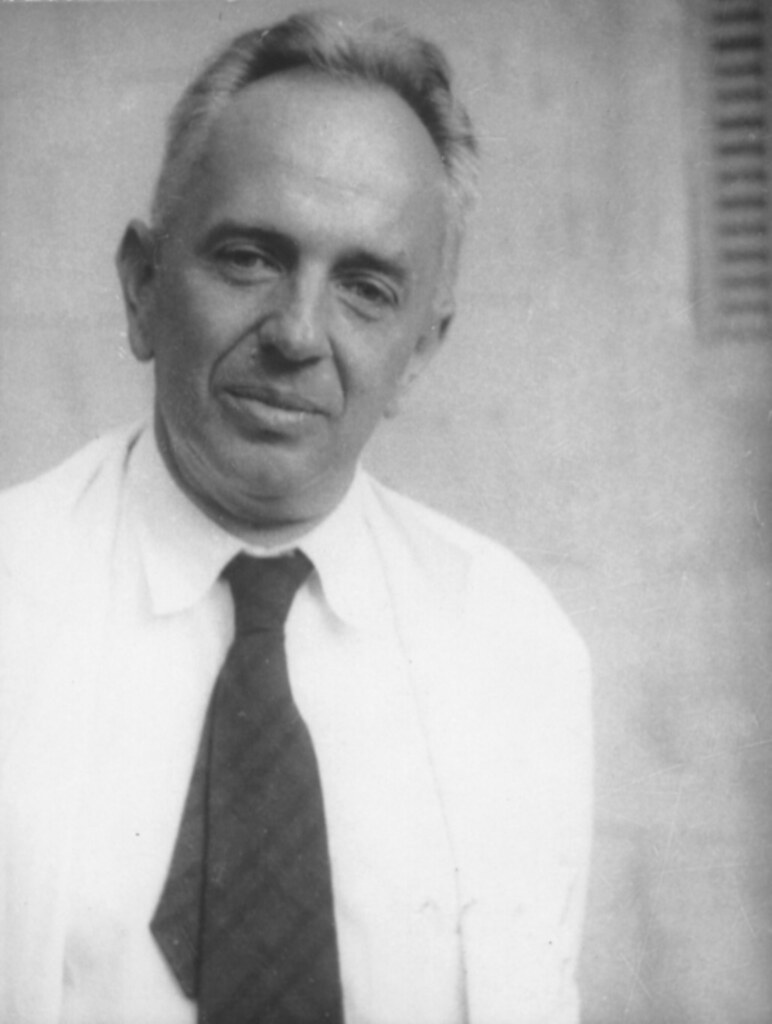
Theodosius Dobzhansky (1900–1975) was one of the most influential geneticists of the twentieth century and a founding figure of modern evolutionary biology. He played a central role in the development of the modern evolutionary synthesis through his landmark book Genetics and the Origin of Species (1937). Dobzhansky helped reconcile Charles Darwin’s theory of evolution with Gregor Mendel’s principles of genetics. Before his work, these two fields had largely evolved along separate tracks; Dobzhansky demonstrated that evolution operates through changes in the genetic composition of populations.
Born in Nemyriv to a Polish-Ukrainian family, Dobzhansky emigrated to the United States at the age of 27. He spent most of his career at Columbia University and Rockefeller University, where he trained a generation of leading geneticists. His pioneering research on Drosophila fruit flies became a cornerstone of experimental genetics and helped establish the foundations of population genetics.
Dobzhansky was among the scientists who helped transform the United States into a global center of genetic and biological research in the postwar era. He was also a vocal critic of racism and biological determinism. Following the Second World War, he actively challenged pseudoscientific theories of “superior” and “inferior” races, arguing that genetic diversity is a natural and essential feature of human development.
His famous statement, “Nothing in biology makes sense except in the light of evolution,” has become the unofficial motto of modern biology and remains one of the most widely quoted phrases in the life sciences.
Dobzhansky’s daughter, Sophie Coe, also achieved distinction in academia, becoming a renowned anthropologist and historian of food in pre-Columbian America. Through both his scientific discoveries and his intellectual influence, Dobzhansky helped shape the course of modern biology and cemented America’s position at the forefront of genetic research.
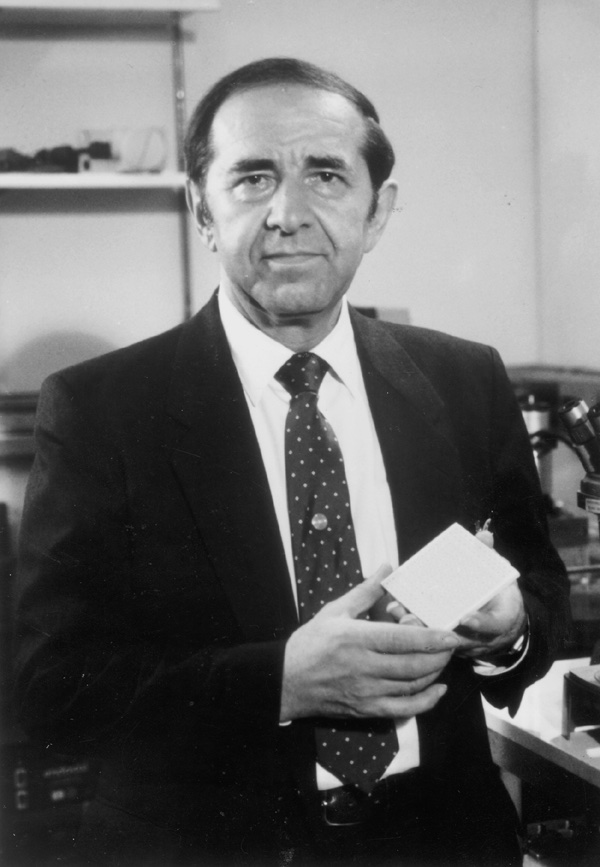
Lubomyr Romankiw (1931–2024) was a Ukrainian-Canadian-American engineer whose innovations helped lay the technological foundations of the modern computer revolution. Born in Zhovkva in the Lviv region, he emigrated to the West after the Second World War and later became a leading engineer at IBM, where he worked for more than half a century.
Romankiw’s pioneering advances in magnetic recording and magnetic-head technology made modern hard disk drives—and ultimately personal computers—possible. For this reason, he is often regarded as one of the engineers without whom the age of Apple and the digital world as we know it could never have emerged.
Over the course of his career, Romankiw was awarded 67 patents and published more than 150 scientific papers. He also mentored generations of engineers at IBM, helping to shape the company’s culture of innovation and technological excellence.
Despite his international recognition, Romankiw never forgot his roots. He often recalled that his family had been forced to flee Soviet occupation to escape political persecution. Throughout his life, he remained a proud advocate of his Ukrainian heritage and a powerful example of how immigrants from Ukraine helped strengthen America’s scientific and technological leadership.
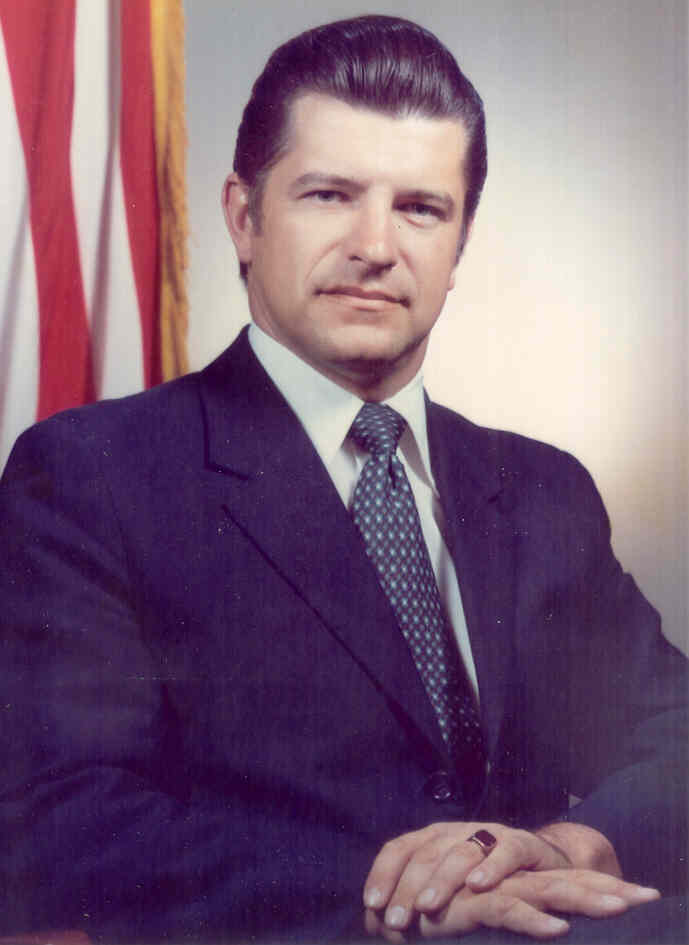
Michael Yarymovych (born 1933) is an American aerospace engineer of Ukrainian descent whose career has been closely intertwined with the U.S. space age. Born to parents from the Ternopil region who emigrated to the United States after the Second World War, Yarymovych devoted his life to turning ambitious space-age visions into engineering reality.
At a time when the United States and the Soviet Union were competing for supremacy in space, Yarymovych worked at NASA on the Apollo program and served as one of the systems engineers involved in the effort to land humans on the Moon. Colleagues jokingly referred to him as “the man who kept the russians from reaching the Moon first.”
He later became a scientific adviser to the U.S. Air Force, collaborated with NATO, and directed a number of international aerospace research initiatives. His contributions to aerodynamics and space technology helped shape a new generation of space programs, from orbital stations to long-term interplanetary missions.
For his contributions to American science and defense technology, Yarymovych received some of the highest civilian honors awarded by the U.S. Air Force. His career stands as yet another example of how people of Ukrainian origin helped advance America’s scientific, technological, and aerospace achievements.
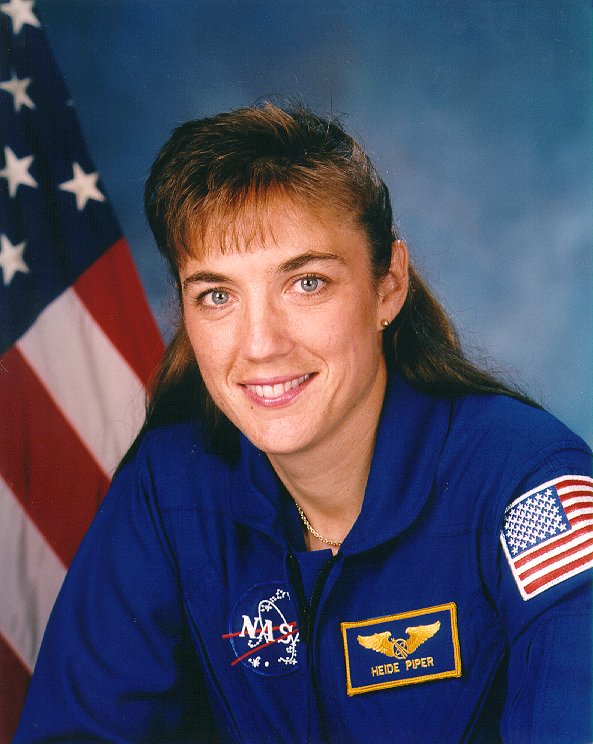
Heidemarie Stefanyshyn-Piper (born 1963) is a NASA astronaut, U.S. Navy officer, and veteran of two Space Shuttle missions. Having logged two spaceflights and five spacewalks, she became one of the most prominent American astronauts of Ukrainian descent.
Stefanyshyn-Piper earned an engineering degree from the Massachusetts Institute of Technology (MIT), served in the United States Navy, and was selected as a NASA astronaut in 1996. Her life story embodies the American dream. Her father, a native of the Lviv region, arrived in the United States as a displaced person after the Second World War, having been forced into labor in Nazi Germany as an Ostarbeiter. His daughter would go on to travel into space.
Raised within the vibrant Ukrainian-American community of Minneapolis, Stefanyshyn-Piper remained deeply connected to her heritage. She was an active member of Plast, spoke Ukrainian, and frequently emphasized her Ukrainian roots.
Her career stands as a powerful example of how the children of Ukrainian immigrants became participants in some of America’s most ambitious scientific and space exploration endeavors. Through her achievements, Stefanyshyn-Piper helped carry the legacy of the Ukrainian diaspora into the space age.
Culture
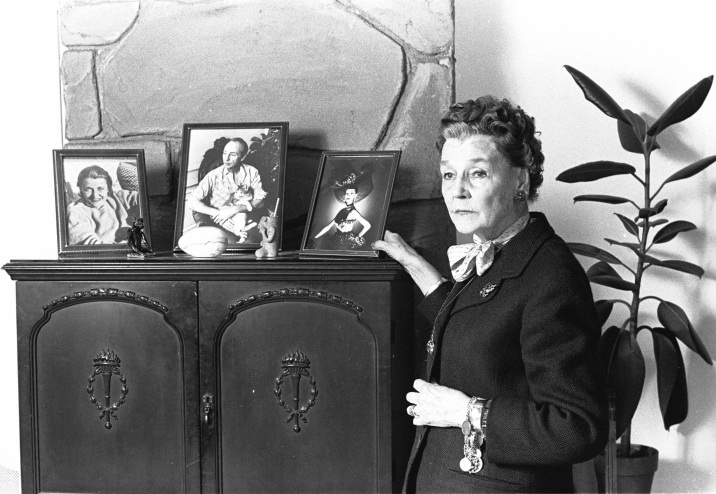
Varvara (Barbara) Karinska (1886–1983), a native of Kharkiv, was a legendary costume designer who transformed the aesthetic of twentieth-century American ballet. She is best known for creating the modern powder-puff tutu, an innovation that revolutionized ballet costume design and became a defining element of classical dance performance.
After emigrating to the United States, Karinska worked for more than half a century with America’s leading theaters and choreographers. She is most closely associated with her collaboration with George Balanchine, for whom she designed costumes for more than seventy productions of the New York City Ballet. Their creative partnership helped shape the visual identity of American ballet during its formative decades.
Karinska also worked extensively in Hollywood, creating costumes for such stars as Marlene Dietrich, Ingrid Bergman, Judy Garland, and Vivien Leigh.
In 1948, she won an Academy Award, and later received the prestigious Capezio Award for her outstanding contributions to dance. Her designs combined elegance, practicality, and freedom of movement, helping to define the visual language of American ballet for decades and leaving a lasting imprint on the performing arts in the United States.
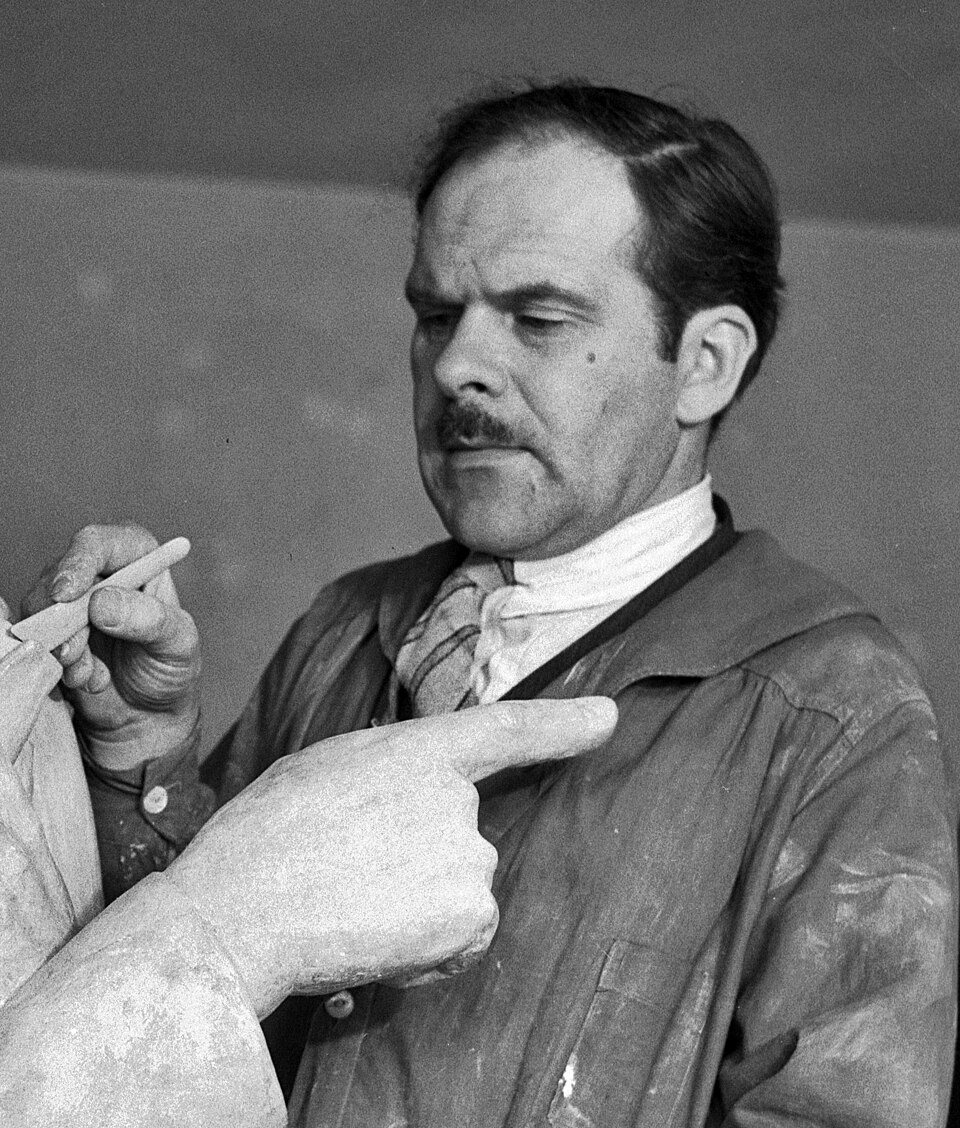
Alexander Archipenko (1887–1964) was a Ukrainian-American sculptor and one of the pioneers of Cubism. After studying in Kyiv, he moved to Paris, where he became part of the European avant-garde movement. In 1923, he settled in the United States, where he would spend the remainder of his career.
Archipenko was among the first sculptors to use negative space as an integral element of sculpture, combining form, movement, and abstraction in groundbreaking ways. His experimental approach redefined modern sculpture and expanded the artistic possibilities of three-dimensional art.
In New York, Archipenko became a prominent figure in American modernism. He founded his own art schools and taught at leading universities across the United States, influencing generations of artists and helping to establish modernist principles within American art education.
His works were exhibited in some of the world’s most prestigious museums, including the Metropolitan Museum of Art. Over the course of his career, Archipenko created more than a thousand sculptures, paintings, and other works of art, securing his place among the leading figures of twentieth-century avant-garde art.
His artistic legacy bridged European modernism and American innovation, enriching the cultural landscape of his adopted homeland while preserving a lasting connection to his Ukrainian roots.
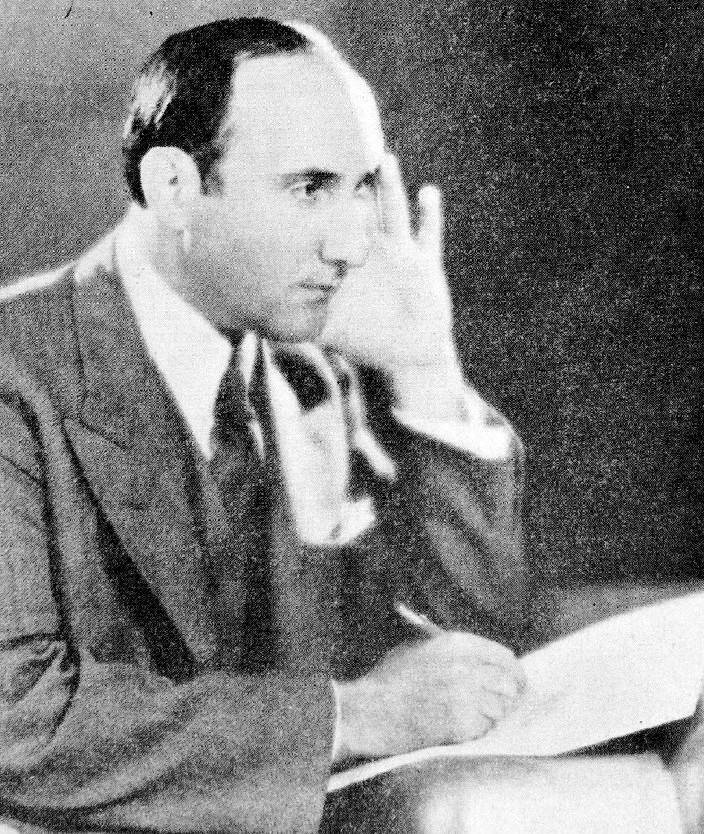
Dmitri Tiomkin (1894–1979) was one of the most celebrated composers of Hollywood’s Golden Age and a major architect of twentieth-century American film music. Born in Kremenchuk, in present-day Ukraine, into a Jewish family, he studied at the St. Petersburg Conservatory. It was there that he first encountered American music—ragtime and blues—which captivated him and left a lasting imprint on his artistic development.
After emigrating to the United States in the late 1920s, Tiomkin rose to become one of Hollywood’s leading composers, writing scores for more than 140 films. He achieved particular acclaim for such classics as High Noon, The High and the Mighty, The Old Man and the Sea, and It’s a Wonderful Life.
Tiomkin was especially successful in the Western genre, where he blended the symphonic tradition with the musical imagery of the American frontier. When asked how he had managed to capture the spirit of Westerns so authentically, he famously replied: “Because a steppe is a steppe,” reminding audiences that he came from the vast plains of Ukraine.
Over the course of his career, Tiomkin received 22 Academy Award nominations and won four Oscars. His score for High Noon is widely regarded as one of the greatest soundtracks in the history of American cinema. Through his work, Tiomkin helped define the sound of Hollywood and left a lasting mark on American cultural life.
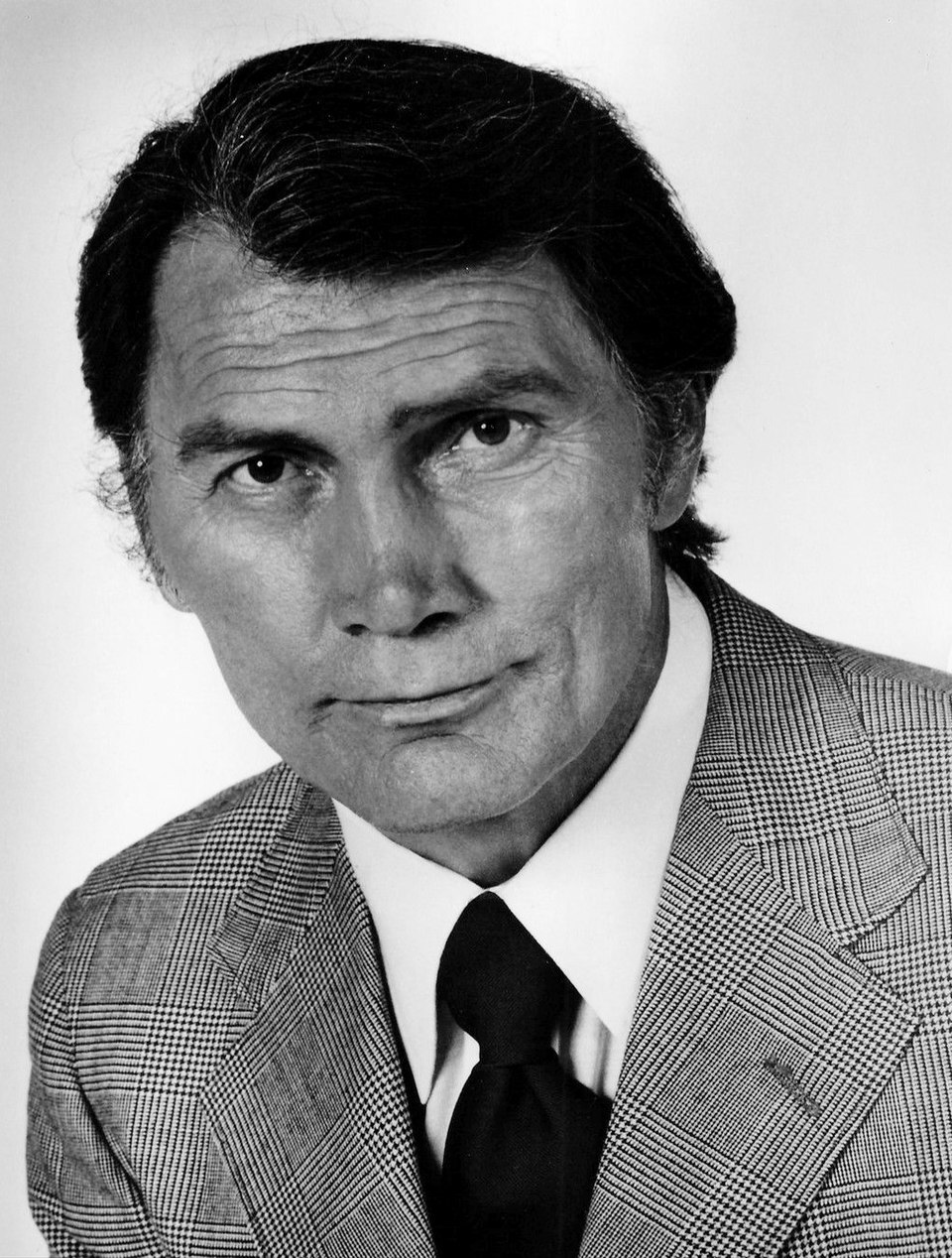
Jack Palance (aka Volodymyr Palahniuk, 1919–2006) was a Hollywood actor of Ukrainian descent, a star of American Westerns, and an Academy Award winner. He was born into a family of Ukrainian immigrants from Galicia who worked in the coal mines of Pennsylvania.
During the Second World War, Palance served as a bomber pilot in the U.S. military. After the war, he used veterans’ educational benefits to study acting at Stanford University. His career began on Broadway, where he performed alongside Marlon Brando, before he went on to become one of the most recognizable faces in Hollywood.
With his distinctive gravelly voice, striking appearance, and commanding screen presence, Palance was ideally suited for roles as cowboys, outlaws, and villains. Over a career spanning more than five decades, he appeared in dozens of films and became one of the defining figures of the Western genre.
His greatest acclaim came with his memorable comedic performance in City Slickers, for which he won the Academy Award for Best Supporting Actor in 1991. The victory introduced him to a new generation of moviegoers and cemented his place in American popular culture.
Despite his international fame, Palance never forgot his roots and consistently emphasized his Ukrainian heritage, taking pride in the background and traditions of the family from which he came.
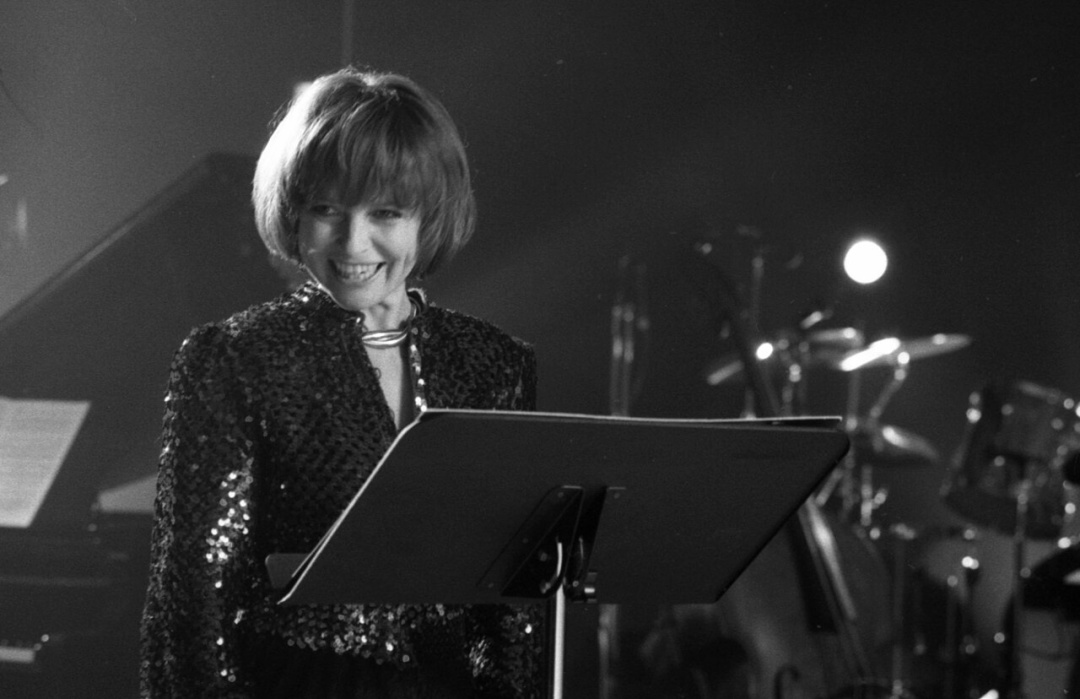
Kvitka Cisyk (1953–1998) was an American singer of Ukrainian descent whose voice became one of the defining sounds of American advertising in the 1980s. Born in New York City to a family of Ukrainian immigrants, she received her musical training at a New York conservatory and began her professional career at an early age.
Performing under the name Casey Cisyk, she recorded advertising jingles for some of America’s largest corporations, including Ford and Coca-Cola. She also collaborated with leading American musicians, among them Michael Jackson.
Cisyk’s voice can be heard on You Light Up My Life, whose title song won an Academy Award. Her extraordinary vocal ability made her one of the most sought-after commercial singers in the United States and a familiar voice to millions of Americans, even if many never knew her name.
At the same time, Cisyk remained deeply connected to her Ukrainian heritage. Her two Ukrainian-language albums became cultural landmarks for Ukrainian communities around the world, helping preserve and popularize Ukrainian music among diaspora audiences.
By bridging American popular culture and Ukrainian identity, Kvitka Cisyk became one of the most recognizable Ukrainian-American musical figures of her generation and a lasting symbol of the contribution Ukrainian immigrants and their descendants have made to American cultural life.
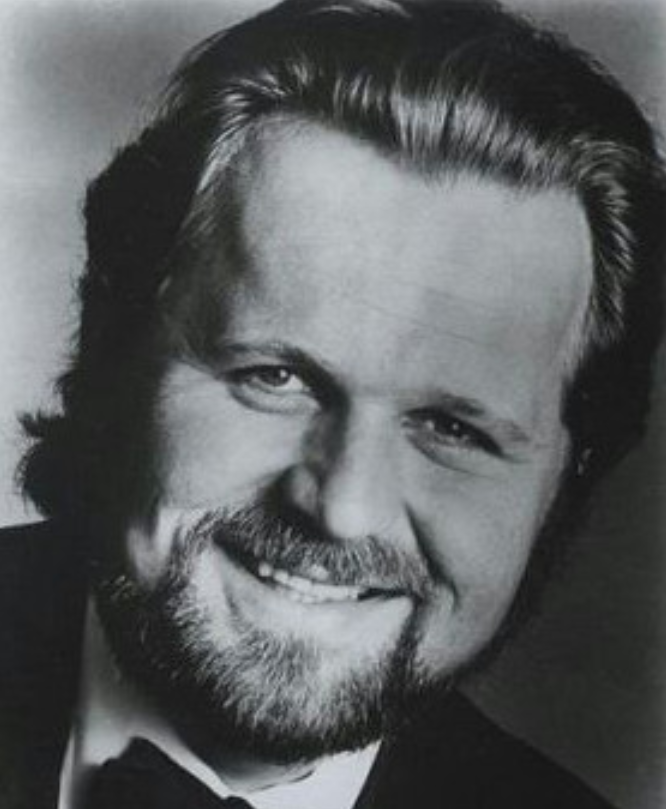
Paul Plishka (1941–2025) was a world-renowned American opera singer and one of the most distinguished basses of his generation. For more than half a century, he was a leading performer at the Metropolitan Opera, where he sang 88 roles and appeared in 1,672 productions, making him one of the company’s most enduring and celebrated performers.
Plishka was admired for his powerful, expressive voice, impeccable diction, and commanding stage presence, particularly in the operas of Giuseppe Verdi. His career spanned more than five decades, from 1967 to 2018, and took him to many of the world’s most prestigious opera houses, including the Royal Opera House, Covent Garden, and La Scala in Milan.
Plishka’s parents were the children of Ukrainian immigrants who arrived in the United States in the early twentieth century and worked in the coal mines of Pennsylvania. Their story reflected the broader experience of many Ukrainian-American families whose descendants would go on to make significant contributions to American society.
In recognition of his achievements, Plishka was inducted into the Great American Opera Singers Hall of Fame in Philadelphia. He is widely regarded as one of the artists who embodied the golden age of American opera in the second half of the twentieth century, helping to elevate the art form for generations of audiences around the world.
Business and Technology
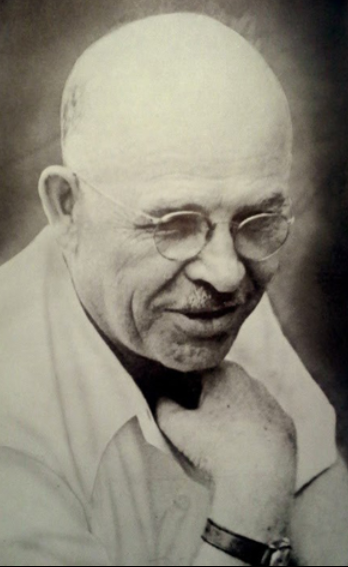
Volodymyr (William) Dzus (1895–1964) was a Ukrainian-American engineer, inventor, and industrialist best known as the founder of the Dzus Fastener Company. Born in the village of Chernykhivtsi in the Ternopil region, he emigrated to New York as a teenager, where he quickly demonstrated an exceptional talent for innovation and engineering.
In the 1930s, Dzus developed a revolutionary quarter-turn fastener for aircraft, later known as the Dzus fastener. The invention dramatically simplified the assembly and maintenance of aircraft panels and was eventually adopted by the automotive and military industries as well. During the Second World War, Dzus fasteners were installed on virtually every Allied military aircraft, with demand reaching millions of units annually.
His enterprises created hundreds of jobs in the United States, including opportunities for many Ukrainian immigrants seeking to establish themselves in their new homeland. Beyond his commercial success, Dzus was deeply committed to education, philanthropy, and the growth of the Ukrainian-American community.
He was a founder and the first president of the Ukrainian Institute of America, one of the most prominent Ukrainian cultural institutions in the United States. Throughout his life, he remained dedicated to preserving Ukrainian heritage while embracing the opportunities and freedoms offered by America.
Dzus often expressed a philosophy that reflected both his entrepreneurial spirit and personal values:
“Obstacles become insignificant when viewed from the heights of love for the work to which you have devoted your hands.”
He cherished his homeland while deeply valuing the freedom he found in America, regarding it as one of the greatest blessings a person can possess. His life stands as a testament to how determination, ingenuity, and hard work enabled generations of immigrants to contribute to America’s economic and technological development while remaining connected to their cultural roots.

Max Levchin (born 1975) is an American technology entrepreneur, co-founder of PayPal, and one of the leading figures among Silicon Valley’s generation of tech visionaries. Born in Kyiv to a russian-speaking Jewish family, he emigrated to the United States with his parents following the collapse of the Soviet Union. He later graduated from the University of Illinois at Urbana-Champaign.
In the late 1990s, Levchin joined forces with Peter Thiel to build a company that would eventually become PayPal, a groundbreaking electronic payments platform that transformed online commerce worldwide. PayPal became one of the defining symbols of the early digital economy and helped lay the foundation for today’s financial technology industry.
Levchin also played a key role in developing anti-fraud systems for online payments and was among the pioneers behind CAPTCHA technology, which became widely used to distinguish human users from automated programs and enhance internet security.
Following PayPal’s success, he founded several technology companies, most notably Affirm, a major financial technology firm specializing in consumer lending and payment solutions. He was also an early investor in Yelp, helping support the growth of one of the internet’s most influential local business platforms.
Over the years, Levchin has frequently appeared on lists of America’s most influential innovators and technology entrepreneurs. His career exemplifies how immigrants from Ukraine and their descendants have helped shape the modern American technology sector and the global digital economy.
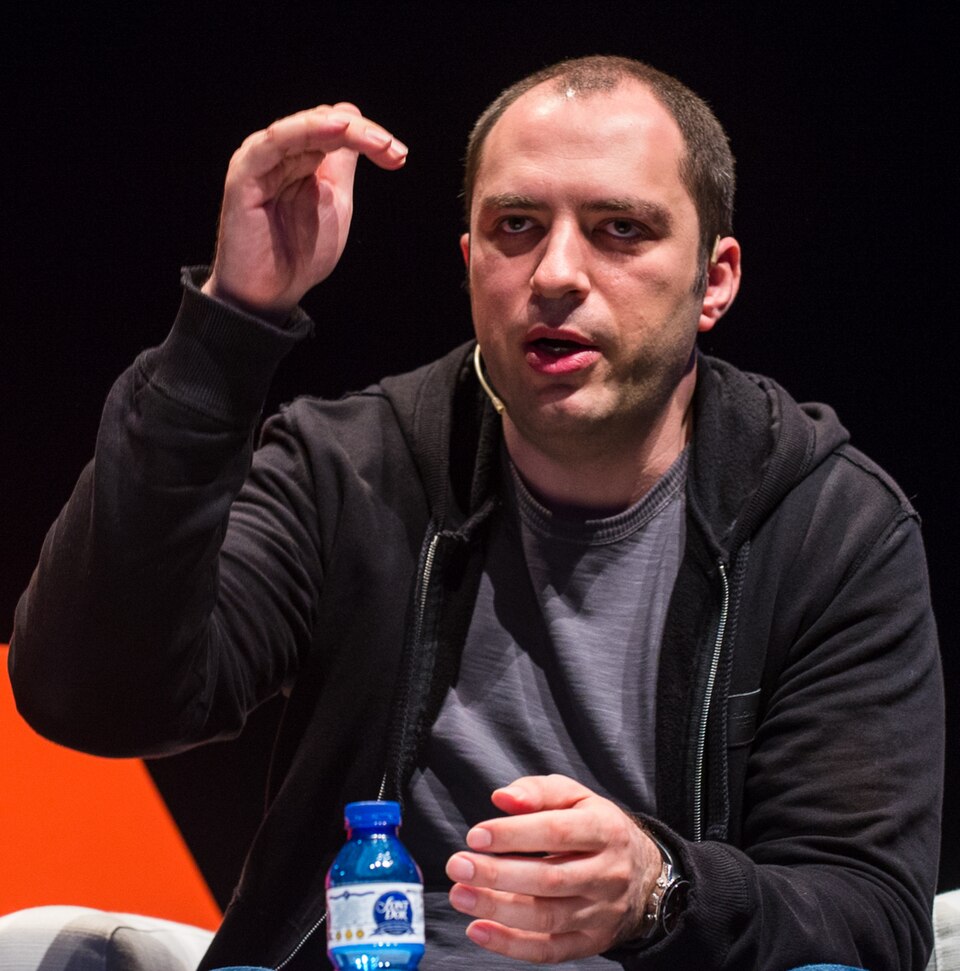
Jan Koum (born 1976) is an American software engineer, entrepreneur, and billionaire best known as the co-founder of WhatsApp. Born into a Jewish family in Kyiv and raised in the city of Fastiv, he emigrated to the United States with his family after the collapse of the Soviet Union.
Fascinated by computers from an early age, Koum taught himself programming and eventually joined Yahoo!, where he met his future business partner, Brian Acton. In 2009, the two launched WhatsApp, a simple and user-friendly messaging service that rapidly grew into one of the world’s most widely used communication platforms.
The company’s success culminated in 2014 when Facebook (now Meta) acquired WhatsApp for $19 billion, one of the largest deals in the history of the technology industry. The acquisition made Koum one of Silicon Valley’s most successful entrepreneurs and a prominent figure in the global digital economy.
Beyond his business achievements, Koum has become known for his philanthropy, supporting educational, medical, and technological initiatives in the United States and abroad. His story—from an immigrant from post-Soviet Ukraine to the co-founder of a platform used by billions of people worldwide—has become one of the most remarkable success stories in modern American technology.
Koum’s success also highlights the broader contribution of immigrants from Ukraine to the development of America’s innovation economy, demonstrating how talent, opportunity, and determination can shape technologies used by billions of people around the world.
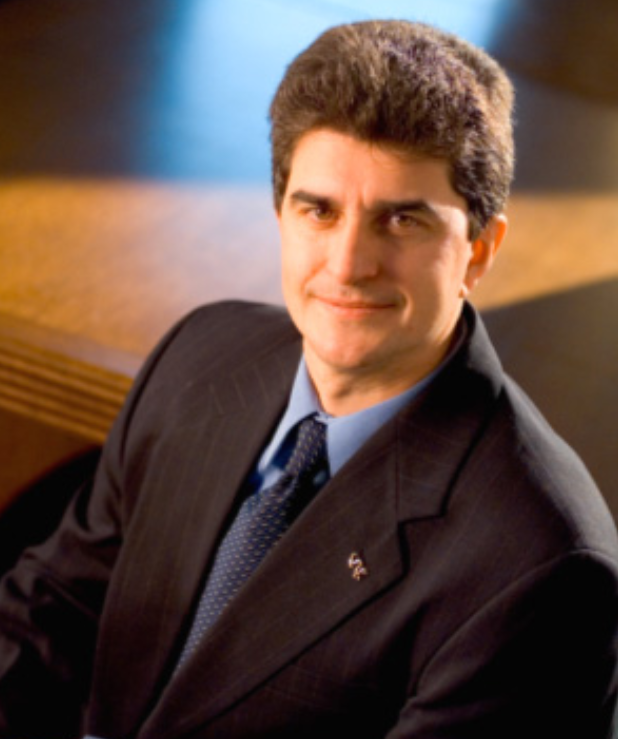
Yury Gogotsi (born 1961) is a Ukrainian-American scientist and one of the world’s leading experts in nanomaterials, energy storage, and materials chemistry. A graduate of the Kyiv Polytechnic Institute, he earned a Doctor of Sciences degree in chemistry at the age of 25, becoming one of the youngest scholars in Ukraine to achieve that distinction.
In the early 1990s, following the collapse of the Soviet Union, Gogotsi was among the first Ukrainian researchers to receive opportunities to work in the West. Since then, he has built a distinguished international career in both the United States and Europe and currently serves as a professor at Drexel University in Philadelphia.
Gogotsi is among the most highly cited scientists in the world. His research in nanotechnology, supercapacitors, and advanced carbon materials has been cited more than 300,000 times, reflecting its profound impact on modern science and engineering. His work has contributed to the development of a new generation of energy-storage systems used in modern electronics, power technologies, and environmentally sustainable applications.
In addition to his energy-related research, Gogotsi has worked on technologies for water desalination and on biomedical applications of nanomaterials, helping to expand the practical uses of advanced materials across multiple domains.
For his scientific achievements, he has been elected to numerous leading international scientific societies and has repeatedly been included among the world’s most influential researchers. His career exemplifies the global impact of Ukrainian-born scientists and their contributions to American innovation, advanced technology, and scientific discovery.
Conclusion
Thus, as we can see, the men and women who crossed the Atlantic from Ukraine followed different paths in life, held different views, and defined their identities in different ways. Yet all of them became part of American history while remaining part of Ukraine’s story as well.
Their achievements helped shape American science, technology, business, culture, aviation, space exploration, and the arts. At the same time, their lives remind us that the history of immigration is not only a story of adaptation and success in a new country, but also one of preserving roots, memory, and a connection to one’s homeland.
From pioneering engineers and scientists to astronauts, entrepreneurs, artists, musicians, and performers, people with roots in Ukraine have made a lasting contribution to the development of the United States. Their accomplishments demonstrate how talent, determination, and opportunity can transcend borders, enriching entire societies and helping to shape the modern world.