


The Belarusian opposition believes that self-proclaimed President Alexander Lukashenka is systematically preparing the country for direct participation in the war against Ukraine.
The Deputy Head of the United Transitional Cabinet, the head of the NAM [National Anti-Crisis Management – UT], Pavel Latushka, sent an official letter to Ukraine’s Minister of Foreign Affairs, Andrii Sybiha. The document builds on understandings reached during a working visit to Kyiv in May. Attached to the letter is a comprehensive 30-page report by the National Anti-Crisis Management, documenting Belarus’s complete transformation into a military springboard for the russian Federation.
Based on the data collected, the NAM identified a number of key indicators that the Lukashenka regime is actively preparing for either a direct entry into a military conflict or the provision of territory for new strikes:- Legalizing “preventive strikes.” The regime made key changes to military-related legislation. In the so-called referendum, the Constitution was amended, which meant Belarus stopped being a neutral and non-nuclear country. The new Military Doctrine adopted in 2024 officially allows preventive strikes in the event of a “direct threat” (which can be interpreted as even the concentration of troops near borders or other national security threats) and authorizes the deployment of the Belarusian army abroad.
- Large-scale deployment of forces. Since 2022, the number of contract servicemen has increased by 1.5 times; the mobilization reserve is estimated at 289,000 people. A South Operational Command is being formed on the Ukrainian front (the total number of troops could exceed 80,000), and a “people’s militia” is also being created. The regime is actively adopting russian practices: SMS conscription summons are being implemented, and prisoners are allowed to be recruited into the army.
- Military infrastructure for the economy. Over four years, defense spending in the budget has increased by 5 times. Belarus’s military-industrial complex is fully integrated with russia; a total secrecy regime has been introduced. Only in 2024, more than 4,000 new units of military equipment were accepted into service.
- Nuclear weapons and the “Wagner” PMC. Integration with the russian armed forces has reached its peak: russian troops are being permanently deployed in Belarus; tactical nuclear weapons and the “Oreshnik” missile system are being placed there. Belarusian servicemen are being trained by instructors from the Wagner PMC.
- The “Khrenin Line” and the militarization of children. Defense lines are being built along the borders with Ukraine, Poland, and Lithuania. Infrastructure (bridges, airfields) is being upgraded for heavy russian equipment. Mandatory military training has been introduced in schools, and tens of thousands of children are required to go through special military-patriotic camps.
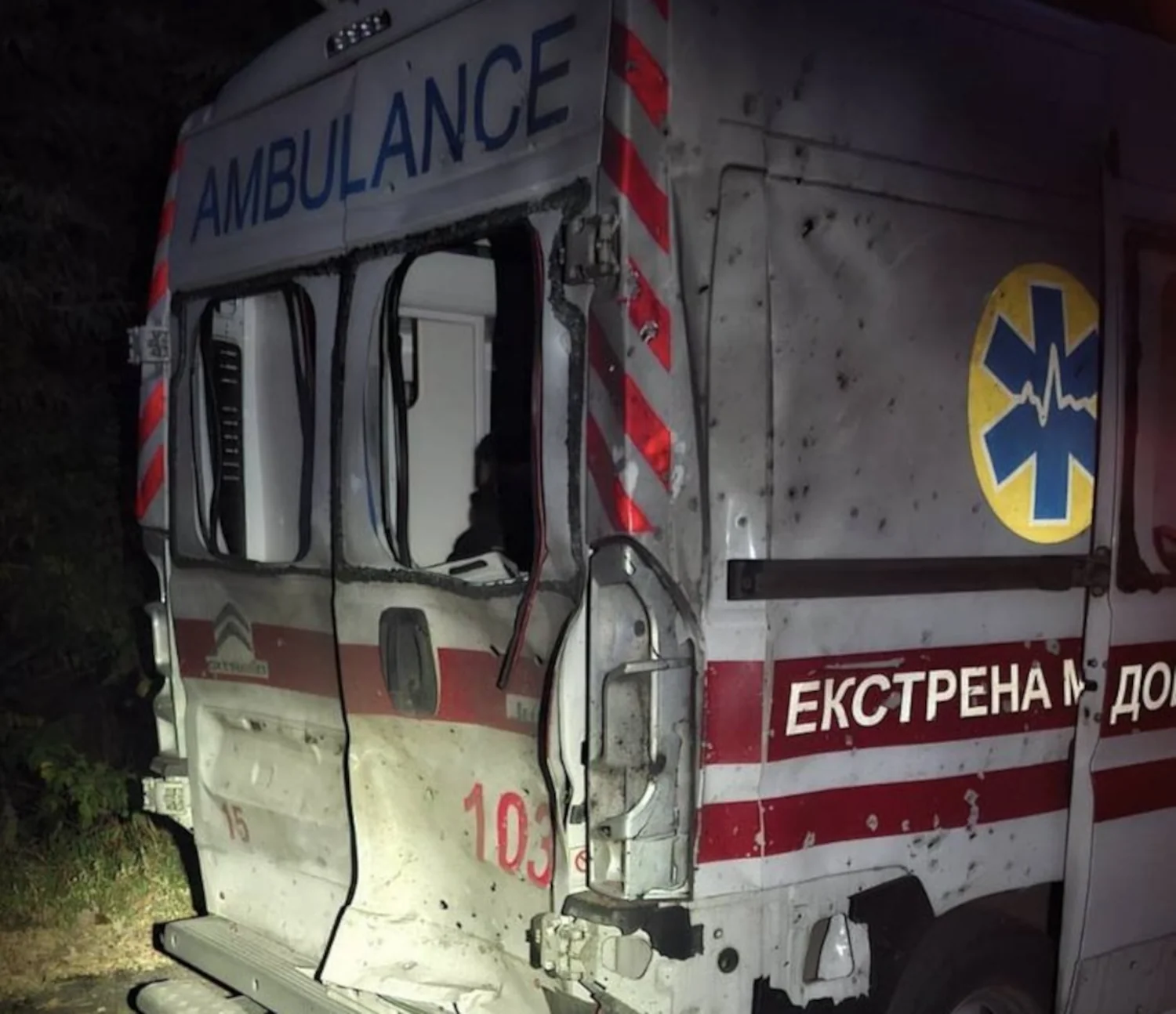
- Mobilizing medicine and the civilian sector. Belarus’s Ministry of Health has already approved instructions for the strict sorting of wounded people in wartime conditions. In Minsk, a review was conducted of 5,000 bomb shelters; notification systems are tested regularly, and for militia needs at the district level, bulletproof vests are being purchased at scale.
- Stockpiling strategic resources. Mandatory reserves of petroleum products have been doubled (up to 30 days of storage). The Ministry of Defense has expanded lists of civilian equipment that can be mobilized during a state of war. And under a recent resolution of the Council of Ministers dated May 15, 2026, No. 249, civilian motor transport belonging to enterprises may be forcibly formed into military vehicle columns.
- Permanent drills. In 2026, the regime continues the practice of continuous large-scale military maneuvers. This is used for the covert verification of mobilization lists and to maintain a high level of psychological stress in society.
The report submitted to the Ukrainian side includes not only documentation of these dangerous trends, but also specific recommendations to prevent the worst-case scenario and deter the regime’s aggressive ambitions.