
|
Getting your Trinity Audio player ready... |


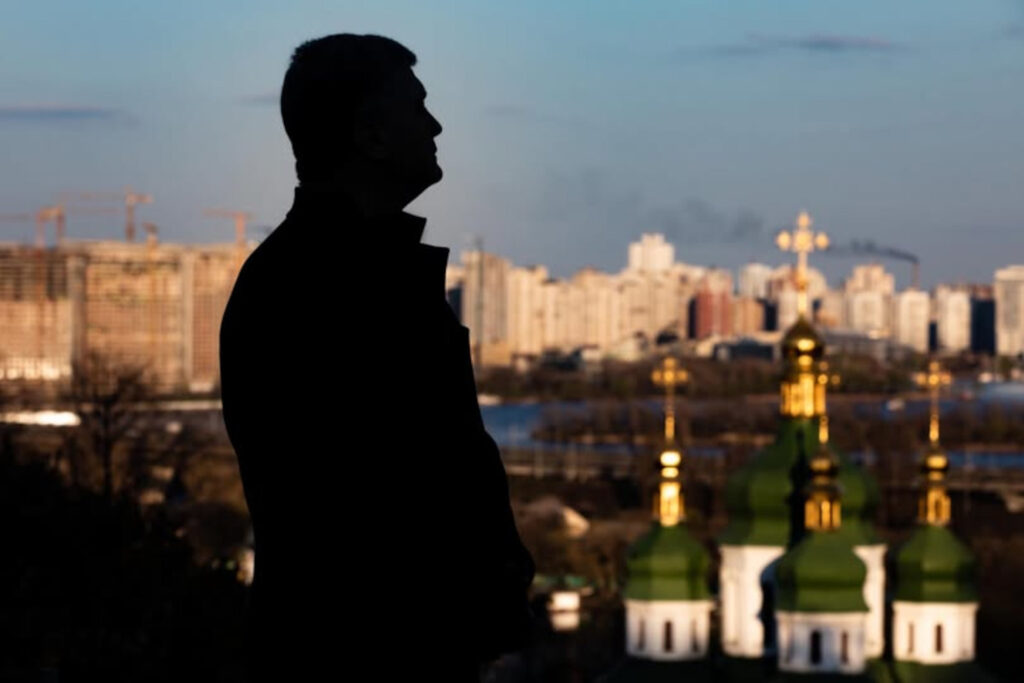
This is, without exaggeration, one of the most pivotal moments in modern Ukrainian history. We are entering a phase where every mistake can be extremely costly — not in a political or rating sense, but in terms of human lives, territories, and the future prospects of the state, the fifth President of Ukraine, Petro Poroshenko, said in a statement.

At such moments, internal unity ceases to be something that we just aspire to — it becomes a strategic imperative. That is why we do not criticize for the sake of criticism, but offer solutions. We want Ukraine to enter the negotiations strong, steadfast, and protected.
First of all, let me make it clear: the first condition for any possible peace formula must be an immediate ceasefire. No one can argue with that. This is a basic test of the seriousness of putin’s intentions. And everyone is interested in a two-stage peace agreement.
This is exactly how we acted during the most difficult negotiations in the Minsk format in 2014–2015. Despite extremely difficult circumstances, we managed to achieve a pause that gave Ukraine time: to restore the army, create a defense-industrial complex, carry out fundamental reforms, and move towards the European Union.
Now we are faced with a similar task — but the scale of responsibility is much greater. Therefore, the second principle is that Ukraine’s negotiations with the Trump administration cannot be a bilateral dialogue in a narrow format. Our European partners are the states that throughout the years of the war were Ukraine’s most loyal allies. They supplied weapons, opened support corridors, and imposed sanctions against russia. And they are our future partners in the European Union.
Only a joint position of the EU and the US can become an optimal and secure future compromise for Ukraine. We must repeat the successful experience of joining forces in the White House in July 2025 following the talks in Alaska. Any negotiations without this trilateral architecture are doomed to be unstable. And we cannot afford a fragile outcome on an issue that concerns our statehood.
The third key element is professionalism and trust in the Ukrainian negotiating team. Such historic negotiations must be conducted by high-level diplomats with experience in complex international processes and a reputation that is respected around the world. There can be no personnel experiments here. In matters of peace, an error in the selection of personnel inevitably turns into a strategic mistake — and a strategic mistake today can cost the whole country dearly.
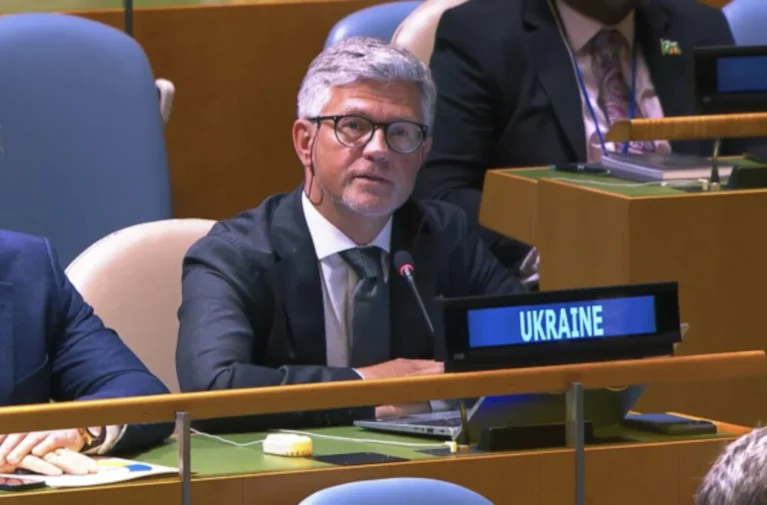
That is why the appointment of a negotiating team headed by Mr. Yermak and Mr. Umerov, who are figures implicated in a corruption scandal that has gained global publicity, is perceived as a sign of weakness on the part of Ukraine. This creates doubts when we need impeccable trust. And such decisions will inevitably have consequences at the negotiating table. No one questions the right of the authorities to decide how to conduct negotiations, but we believe that the team representing Ukraine should be as strong as possible and with an impeccable reputation.
This is a matter of responsibility to millions of Ukrainians. To those who are on the front lines. To the memory of those who have died. To our history and our future. Of course, no plans developed without Ukraine can be imposed on Ukraine, where there is complete consensus on the “red lines” that cannot be crossed.
Ukraine must come to the end of this war not weakened, but strengthened. We must end it not at any cost, but in the right way — so as to guarantee the security, justice, and irreversibility of our European course. We are ready to work for this, ready to join forces for the sake of the goal, ready to defend Ukrainian interests at every stage as part of a united Ukrainian team that is not divided along political lines.
Because this is about everyone’s responsibility. Responsibility to the people and to history… And everyone must realize this today.