
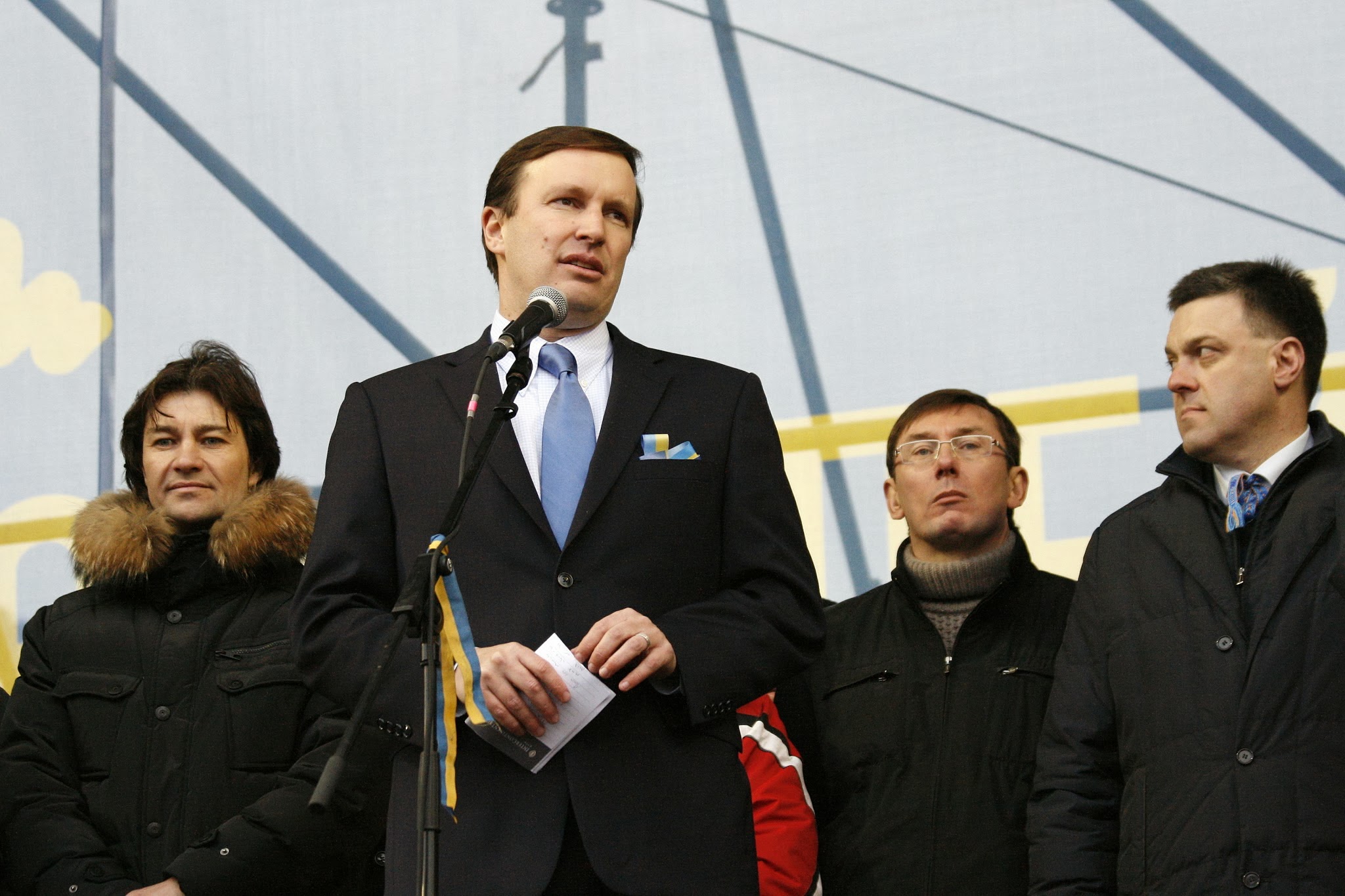




Poland’s President Karol Nawrocki has vetoed a law on extending protection for Ukrainian wartime refugees on the territory of Poland. He proposes to remove the additional payment for Ukrainian children under 18, which amounts to 800 zlotys per month, writes Ukrainian journalist and MP Mykola Kniazhytskyi.

The restriction, he says, should apply to those children whose parents are not employed and, accordingly, do not pay social contributions. Ukrainian refugees who do not work should also lose the right to medical care.
Nawrocki argues his decision by saying that “the rights of Poles to assistance and care cannot be less than the rights of foreigners.” In his view, “Poland should be for Poles”—the owners of their own country—not to grant privileges to guests.
It gives the impression that facts today do not matter.
According to statistics, 70% of Ukrainian refugees of working age in Poland have jobs, and 90% of them are women. Their contribution to Poland’s GDP is 2.7%, and each year they pay more than 15 billion zlotys in taxes to the state budget. Meanwhile, payments of 800 zlotys for children of Ukrainian refugees amount to only 2.4 billion zlotys.
So, Ukrainians give far more to Poland’s state treasury than they receive from it.
In the spring of this year, there was already a debate in Poland about abolishing the 800+ payments for Ukrainian children. In addition to economic arguments, participants pointed to other circumstances as well.
Many Ukrainian women are not working for various reasons: someone is raising two or three small children without a partner and cannot find a job, especially in small towns where legal employment is almost nonexistent—so women are forced to work “in the shadows.” In other cases, the men are fighting at the front, and they want to be sure their families are safe.
Separately, lawyers and human-rights advocates emphasize: canceling 800+ assistance for children of Ukrainian wartime refugees would be a gross violation of international and European legislation, as well as the principles of protecting the rights of wartime refugees. After all, the payment is granted to children, not their parents. Polish law guarantees the right to assistance to all children who are legally present on the territory of the country.
This is clearly a populist move. It remains to be hoped that the Polish parliament will not allow a gross violation of Polish and European law.