

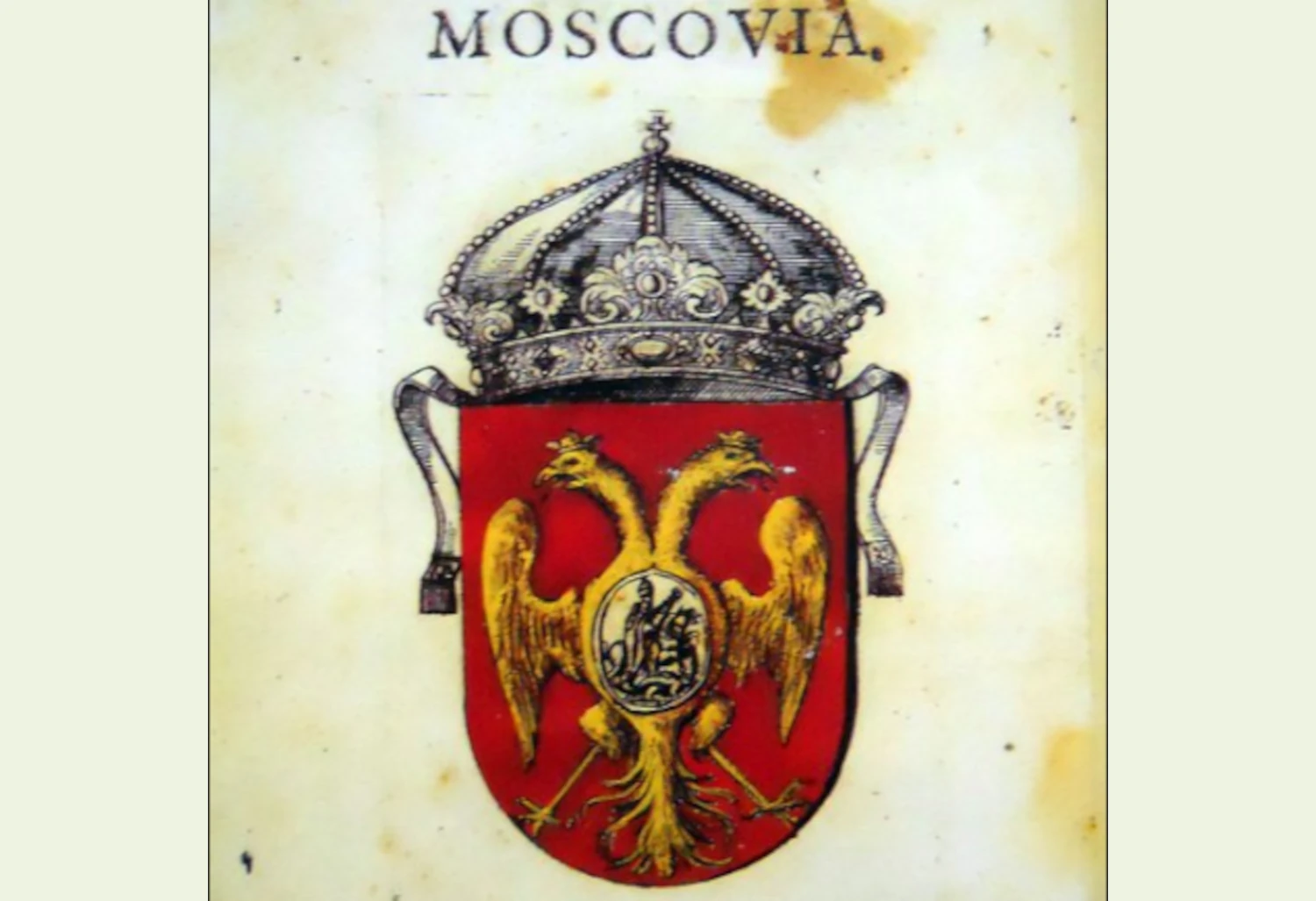
The book “russia Reverts to Muscovy” by Stefan Hedlund, a Swedish academic, an expert on Soviet and Communist studies/russian studies, explores the implications of removing the notion of “russia” from political and scholarly discourse.
The book posits the following questions: Should the state ruled from moscow be termed “russia”? Might not “Muscovy” be more appropriate? It reflects on how academia has conceptualized developments among the Eastern Slavs over the centuries from the early days of Muscovy up until the present-day russian Federation with the result that by consistently viewing events through a moscow lens the West has been instrumental in supporting Muscovite claims to hegemony and thus in allowing moscow to play an outsized role not only in the region but also in global geopolitics.
This book highlights the more recent developments of the Muscovite state, and the increasingly hollow nature of the claims of the russian Federation to represent all of russia.
“It will be argued that it was by usurping the name of “Rus,” which was transformed into “russia,” and by claiming that all descendants of old Kyivan Rus are russians that must be rightfully ruled from moscow, that Muscovy succeeded in transforming itself into a great power, built on brute force and coercion,” Hedlund writes.
Exploring how the Eastern Slav world could be conceptualized differently and how this world might develop in reality, this book will be of interest to researchers in International Relations, Ethnic Studies, Political Science, and Central Asian, russian and Soviet Politics.
“The process of territorial fragmentation of the Muscovite colonial empire has already begun and is picking up steam.”