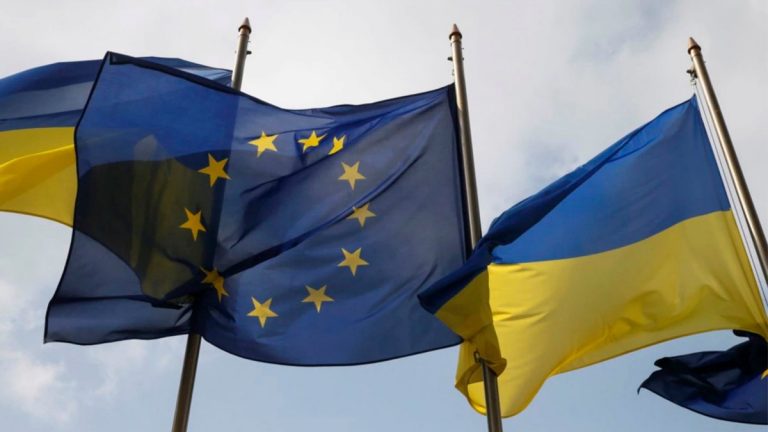








In the face of russia’s war of aggression against Ukraine, the EU, together with Ukraine and Moldova launched the EU-Ukraine Solidarity Lanes in May 2022, establishing new transport routes to keep Ukraine’s imports and exports flowing via rail, road and inland waterways. Today, the EU-Ukraine Solidarity Lanes have become a lifeline for Ukraine’s economy, the European Commission said in a press release.
In February 2026, Solidarity Lanes transported:
- Around 60% of Ukrainian imports (in comparison to around 30% through the Black Sea)
- Around 60% of Ukrainian exports of non-agricultural products (in comparison to around 50% through the Black Sea)
- Around 15% of Ukrainian exports of grain, oilseeds and related products (in comparison to around 85% through the Black Sea)
Since May 2022, the Solidarity Lanes have allowed Ukraine to export ca. 209 million tonnes (Mt) of goods, according to data from the Ukrainian customs registers. Within this amount, it can be estimated that the Solidarity Lanes enabled exports of around 98 million tonnes of Ukrainian agricultural products (including ca. 91 million tonnes of Ukrainian grain, oilseeds and related products) and around 111 million tonnes of non-agricultural goods including ores, steel and related products.
In total, around 232 Mt of Ukrainian grain, oilseeds and related products were exported through the Solidarity Lanes (40%) and the Ukrainian Black Sea ports (60%) since May 2022.
The Solidarity Lanes also play a crucial role for Ukrainian imports. Since May 2022, they have allowed Ukraine to import ca. 100 Mt of goods, such as fuel, vehicles, fertilisers as well as military and humanitarian assistance.