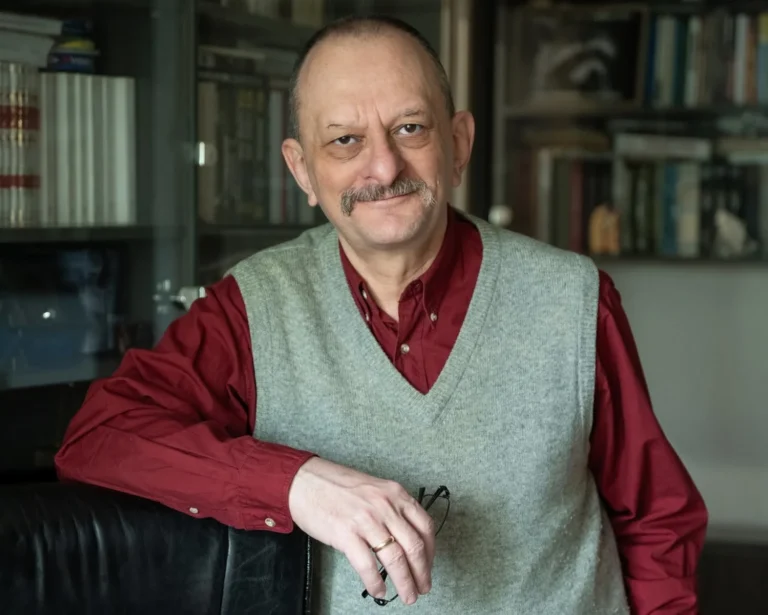




The demonization of the UPA [Ukrainian Insurgent Army – UT] in Poland is a defensive mechanism of Polish historical memory, moreover, one copied from russian sources. Oleksiy Panych, PhD, Senior Research Fellow at the Ukrainian Humanities Publishing House ‘Dukh i Litera,’ writes.
At the core of this demonization lies the version about the purely ideological nature of all anti-Polish activities of the UPA: allegedly, UPA fighters attacked Poles because they had succumbed to the “misanthropic ideology of fascism and Nazism.” In reality, however, the anti-Polish activities of the UPA had an anti-colonial nature: as was repeatedly emphasized in the documents of the OUN [Organisation of Ukrainian Nationalists – UT] and the UPA, these organizations did not consider as enemies those Poles who did not oppose the proclamation of a Ukrainian state on the lands that, during the period between the two world wars, were Poland’s eastern “Kresy.”
The Poles, of course, considered those lands not Ukrainian but Polish; but Ukrainians had a different view on this, and it is precisely its legitimacy that the demonization of the OUN and the UPA is meant to deny.After all, Poles are no more ready to agree with the historical anamnesis of the “colonizers of Ukrainians” than the russians are.
What is more: when my Polish conversational partners try to argue that “this was not colonialism at all,” all their arguments, word for word, repeat russian imperial historical narratives, right down to the thesis of the “triune people,” only in the Polish version it is not russians, Belarusians, and Ukrainians, but Poles, Belarusians, and “Ruthenians.”
For instance: “what kind of colonialism is that, if Ukrainians were represented in the Polish authorities, including in parliament?” As if delegates from the colonies in the French parliament (from the end of the 18th to the first half of the 20th century inclusive) are a refutation of French colonialism, and the presence of Ukrainians in the moscow authorities is a refutation of russian colonialism!
Or: “what kind of colonialism is that, look at how many mixed marriages there were.” As if no one had ever heard of colonial métissage!
“Only fascists and Nazis can fight against our brotherly embraces /read: our rule over you/, therefore we call on true Ukrainians to condemn this struggle as an ideological crime” — this instruction can easily be found among both russians and Poles, with the only difference being that the Poles apply it only to the UPA of the period 1943-45 (but also to all subsequent memory of it), while the russians apply it to Ukraine’s current war against russia.
But with the russians, we are now proving their wrongfulness by force of arms. With the Poles, we will have to operate exclusively with logic and the force of argument. But the resistance will be fierce. Because the legitimization of Ukrainian historical memory inevitably entails a critical revision of the already established version of Polish historical memory.