




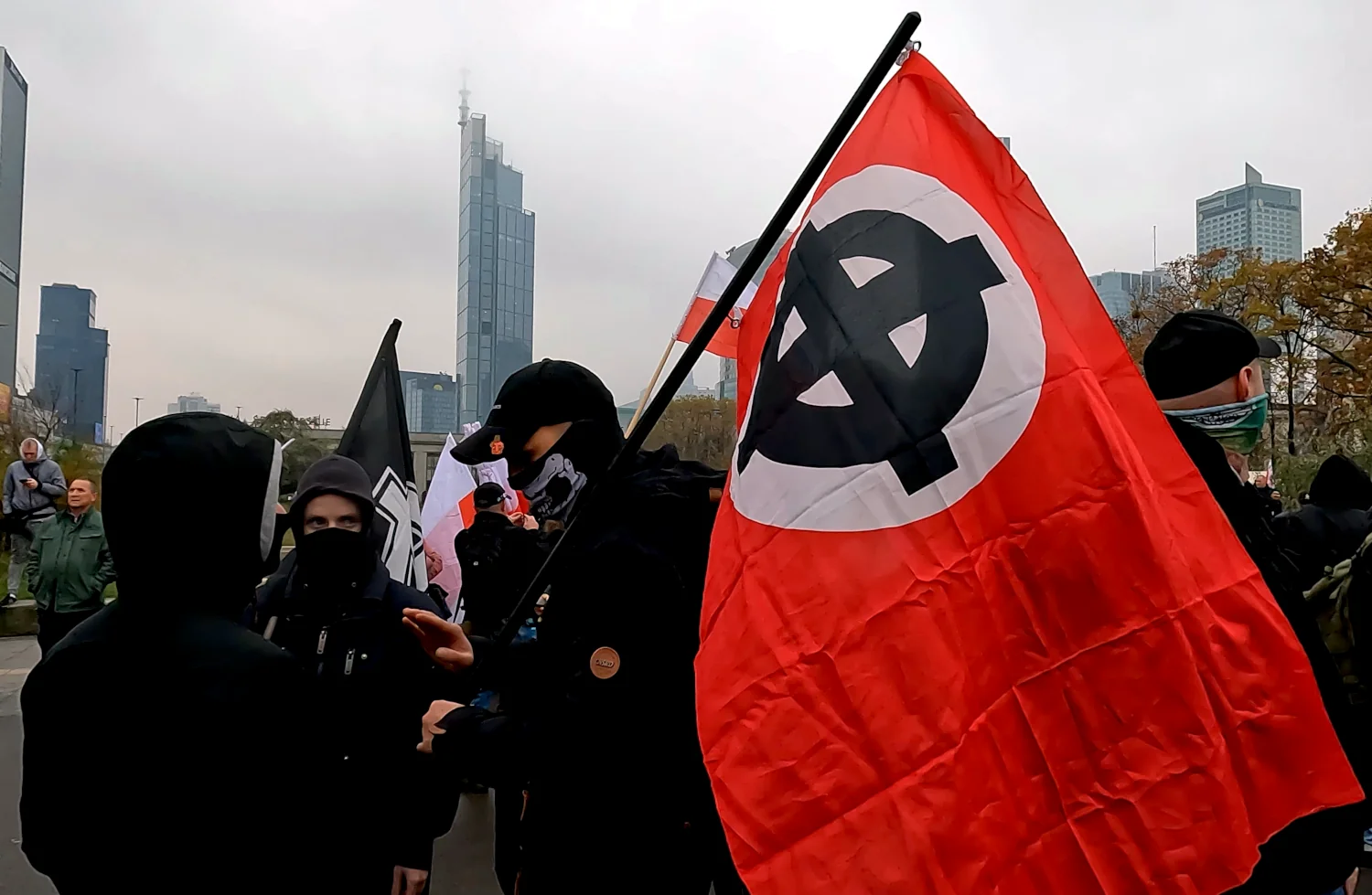
The spirit of xenophobia in Poles lay dormant for a long time primarily because, after World War II, Poland – using extremely harsh methods – rid itself of almost all its inhabitants who were not ethnic Poles. Oleksiy Panych, PhD, Senior Research Fellow at the Ukrainian Humanities Publishing House ‘Dukh i Litera,’ writes.

I should note that since 1950, the share of Poland’s population that was not ethnically Polish has never exceeded 2% (compared to about 30% in interwar Poland). This was mainly due to the expulsion of ethnic Germans and Ukrainians from Polish territory, as well as the post-war redrawing of Poland’s borders.
Additionally, post-war Poland experienced several waves of emigration among Polish Jews, particularly in 1948–1950, 1955–1956, and in 1968–1970 as a result of the “anti-Zionist” (in reality, anti-Semitic) campaign by the Polish government at the time.Against this backdrop, the arrival of a million Ukrainian refugees in Poland (twice as many as were expelled from Poland in 1944–1947) simultaneously evoked the best feelings of solidarity with neighbors in need among some Poles, while in others, it fueled growing anxiety about Polish identity.
This anxiety is especially tied to fears that a significant portion of these refugees will not only naturalize in Poland but also organize into a political force and gain their own representation in parliament. This touches on very deep identity questions, as well as perceptions of what Poland as a whole is and what the Polish nation is (what the actual and desired percentages of the “ethnic nation” and “political nation” components are).
Attacks by Polish right-wing groups on the mythical “ideology of Bandera” cannot be understood without considering this demographic context.